

Commercial Service

Modular Workstation Moving in Colorado Springs

Benches and sit-stand desks stand on their own frames, not on panels. We take them down run by run and rebuild them where your new plan puts them.

(719) 357-5865
Modular Workstations moving in Colorado Springs: moving crew at work
  • 18+ Years Experience
  • 1,013+ Reviews 5-Star Rated
  • Family Owned Local Business

Start your free commercial move quote

verified For estimate purposes only credit_card_off No credit card required

How We Plan Modular Workstations

Benching and sit-stand desks are a different job from panel cubicles. Nothing hangs from a wall; each run is a frame of legs, beams, and a shared spine, with worksurfaces screwed on top and cable trays underneath. A sit-stand desk adds lift columns, a control box, a handset, and a motor cable tying them together. The work is less about hardware counts and more about keeping each top with the frame it was drilled to fit.

Here is the order. Your facilities manager or furniture dealer gives us the new plan with each run numbered. Staff clear their desks and trays. Sit-stand desks are lowered to their bottom position while they still have power, so the columns travel short. Then the crew tags every top, beam, leg, tray, and privacy screen with its run and seat, removes tops, unhooks trays and spines, and breaks the frames down. At the new floor, frames go up first and are leveled, tops go back on the frames they came from, trays and spines are hung, and the desks are ready for your electrician and IT contact.

Who usually signs off
Facilities or office manager approving the seating layout, with the furniture dealer confirming system-specific instructions
Timing that works
Teardown starts once a run is cleared and its power is off; many offices run the job over a weekend on request so Monday seating is ready.

What typically moves

  • Bench frames, beams, and end legs Each beam and leg is tagged with its run number and position so the frame rebuilds to the same length and spacing.
  • Shared bench worksurfaces Tops ride on edge in pads on a panel cart, tagged by run and seat, with corners and edge banding guarded.
  • Sit-stand lift columns and feet Lowered before power is cut, then either left on the base or removed as a set that travels together.
  • Control boxes, handsets, and motor cables Bagged and tied to the base they serve. Unplugging a motor cable is fine; opening a control box is the dealer's call.
  • Under-desk cable trays and vertical spines Emptied by staff or IT beforehand, then tagged to their run so the cable path lines up at the new floor.
  • Desk-mounted privacy screens and monitor bars Unclamped, padded, and carried upright, with clamps bagged to the same seat.
  • Mobile pedestals Locked, keys taped inside the top drawer, and rolled to the new seat with contents in place if light enough.

Access and scheduling

Bench teardown needs space on both sides of a run and a clear path to the elevator. Staff should empty desktops and trays, and your IT contact should unplug anything on the spine the day before. Sit-stand desks need to be lowered while powered, so ask staff to run them down on their last day, or the crew can do it before the electrician cuts power.

Tops are long and awkward in elevators, so we measure the cab and corners ahead of time. If a new run is longer or shorter than the old one, your dealer confirms which beams and tops fit before move day, since a shortfall found mid-build stops the row. Weekend work on request keeps the job away from staff. Freight-elevator insurance paperwork is sent before the date is set.
Protection and handling

In a benching move, laminate edge banding and top corners are what chip, so tops are padded full length and carried on edge. Lift columns ride upright or strapped flat, never under a stack of tops. Screws and cam fittings are bagged and taped under the top they came from, so each top arrives with its own hardware.

At the new floor, the crew builds each frame on the plan's marks, checks it for level, and matches the tops before any screw goes in. Sit-stand bases are plugged into their control boxes, but the first full raise-and-lower test belongs to your dealer or a staff member with power on. Anything bent, cracked, or missing is listed by run and seat so your dealer can order parts.

Who does what

Some of this job belongs to other trades. The written plan names each one.

Lift motors, control boxes, and handset programming
Your furniture dealer or the manufacturer's technician repairs, reprograms, or replaces them. Our crew moves them tagged to their base.
Hard-wired bench power and floor boxes
A licensed electrician disconnects the power feed before teardown and connects the new runs after they are built.
New layouts, changed run lengths, and replacement parts
Your dealer or designer draws the plan and supplies compatible beams, legs, and tops. We build to that drawing.

Not part of our work

  • Repairing or reprogramming sit-stand motors and controls.
  • Wiring bench power, adding floor boxes, or pulling data cable through spines.
  • Designing a new benching layout or ordering parts.

Around Colorado Springs and El Paso County

Benching is common in newer engineering, software, and back-office suites around Briargate, InterQuest, and the Powers corridor, and in coworking floors downtown. Those buildings often share one freight elevator among several tenants, so long bench tops set the carry plan. Offices opening a second floor of benches in the Denver Tech Center can use the same run numbers at both ends.

The crew that shows up

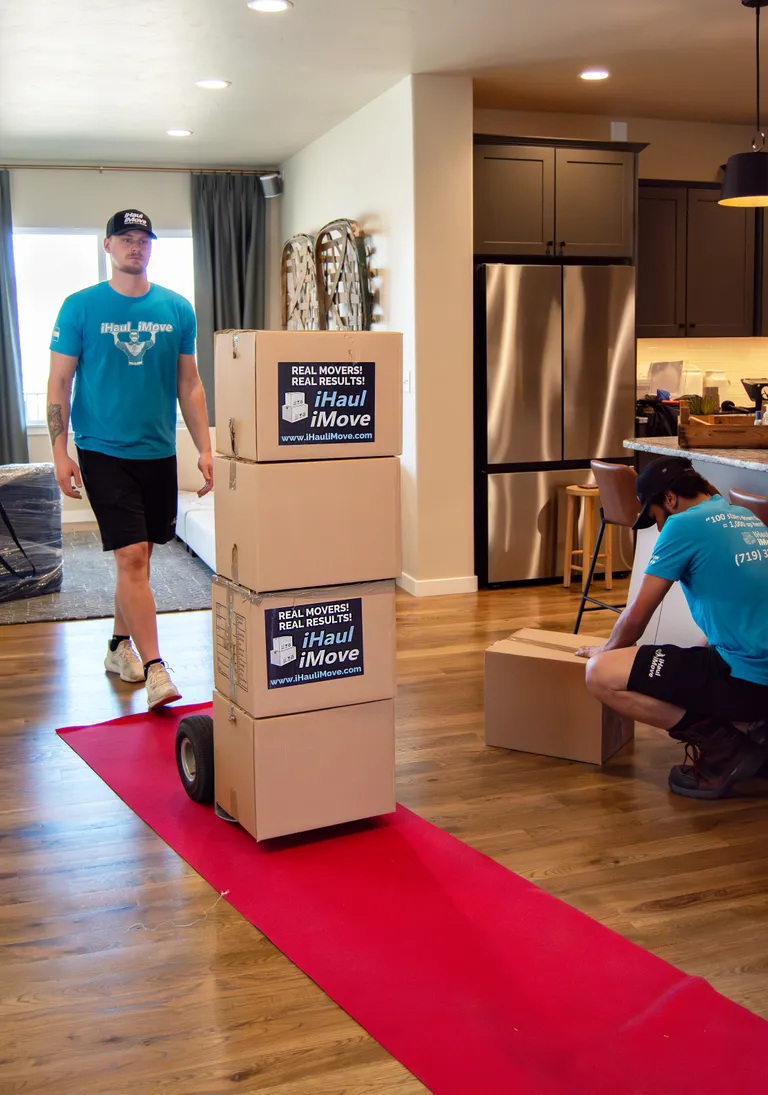
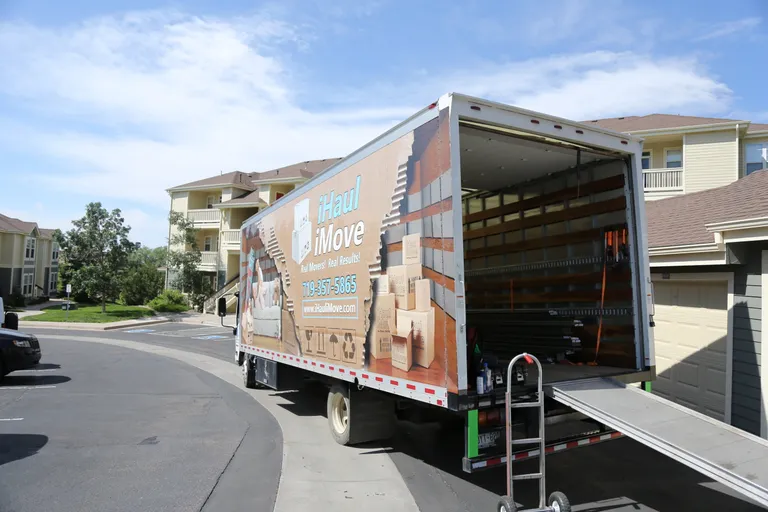
iHaul iMove mover rolling stacked boxes across a floor runneriHaul iMove box truck with its ramp lowered and a hand dolly waitingTwo iHaul iMove movers carrying a stretch-wrapped piece of furniture

Modular Workstations FAQs

Another question? Call (719) 357-5865.

Can a bench run be shortened to fit our new floor?

Often, but your dealer has to confirm which beams and tops the system allows at the shorter length. Give the dealer both floor plans before teardown. We tag the existing pieces by run and seat, set aside the extras, and build what the approved drawing shows with the parts on hand.

Why do sit-stand desks need to be lowered before the move?

A lowered desk has its columns collapsed, which makes the base shorter, lighter to handle, and less likely to bend a column in transit. The desk has to be powered to lower, so it needs doing before the electrician cuts power. Staff can do it on their last day, or the crew can do it on arrival.

Who tests that the sit-stand desks still work after the move?

The crew plugs each base back into its control box and handset. Once power is back, a staff member or your dealer runs each desk up and down. If a desk will not move or shows an error, that is a dealer repair, and we note the seat so it goes on the dealer's list.

Can benches move between floors of our building without being taken apart?

Sometimes a short run on casters can roll between floors if it fits the elevator. Most benches share beams across seats, so they come apart to fit a cab and a doorway. We measure the route first and tell you which runs can stay assembled.

Plan your business move

Tell us both addresses, the building rules you know about, and the dates you cannot move. We will send back a written plan and estimate.

Call (719) 357-5865

Open 24 hours a day

Call Now call 719-357-5865