Healthcare & Medical

Physical Therapy Clinic Moving in Colorado Springs

Hi-lo mat tables, treadmills, cable machines, and the gym floor's small gear moved so post-surgical patients lose as few visits as possible.

(719) 357-5865
Physical Therapy Clinic moving in Colorado Springs: moving crew at work
  • 18+ Years Experience
  • 1,013+ Reviews 5-Star Rated
  • Family Owned Local Business

Start your free physical therapy clinic move quote

verified For estimate purposes only credit_card_off No credit card required

Planning a Physical Therapy Clinic Move

A physical therapy clinic is mostly an open gym, and gyms are heavier than they look. Hi-lo mat tables with electric lifts, treadmills, recumbent bikes and upper-body ergometers, a cable column or functional trainer with its weight stack, parallel bars, and a wall of mirrors all sit on one floor, surrounded by crates of bands, balls, cuffs, and foam rollers. Several pieces are not ours to take apart.

The pressure comes from the patients. Someone a few weeks out from a knee replacement or an ACL repair is on a protocol that does not pause for a move, so most clinics want the closed gap between the two addresses kept short. We plan the gym in the order your therapists will use it: tables and the core exercise stations first, cardio next, then specialty equipment and storage. Mirrors and anything bolted down are handled by their installers, and we fit around their visits.

Who usually signs off
Clinic director or owner physical therapist, with the front desk rebooking visits and the equipment dealer and glazier on the calendar
Timing that works
Patients recovering from surgery follow timed rehab protocols, so clinics try to lose no more than a day or two of visits; Friday evening into the weekend is the usual window, with Monday's first visits already booked at the new address.

What typically moves

  • Electric hi-lo treatment tables Brought to bottom height with the lift cord strapped, and carried flat on padded dollies; each goes to the bay your floor plan assigns it.
  • Treadmills and upper-body ergometers Decks folded or locked as the manual directs and safety keys bagged with the unit; heavy treadmills travel on their own dolly with the route measured beforehand.
  • Cable columns and functional trainers Weight stacks are pinned or plates removed per the manufacturer; frames that need partial disassembly wait for the dealer's instructions or technician.
  • Parallel bars and stair trainers Freestanding units move whole. Floor-bolted bars are released by the installer, and our crew carries the freed sections.
  • Dumbbell racks, kettlebells, and weight plates Weights are boxed small and heavy rather than left on racks, which keeps loads balanced and racks straight.
  • Bands, balls, balance pads, and foam rollers Packed by station, so a therapist can set up a knee, shoulder, or balance circuit on the first morning without hunting.
  • Front desk and check-in furniture Last out of the old clinic and early into the new one, so the desk can check in Monday's visits.

Access and scheduling

Rehab clinics in Colorado Springs are often in medical office buildings near orthopedic and sports medicine practices, or in end-cap retail suites with a wide front door and a single rear exit. Retail suites are easier for treadmills; office buildings mean freight elevators, dock time, and sometimes a Certificate of Insurance before the landlord hands over keys. We measure the bulkiest treadmill or cable machine against every door and turn at both addresses.

Work backward from Monday's schedule. Your front desk moves patients' visits a few days either side, and the dealer, the glazier who hangs the mirrors, and any installer releasing floor anchors get dates before we do. Rubber gym flooring is often being laid at the new clinic right up to move week, so confirm with the contractor that it is finished and cured enough to roll heavy equipment across.
Protection and handling

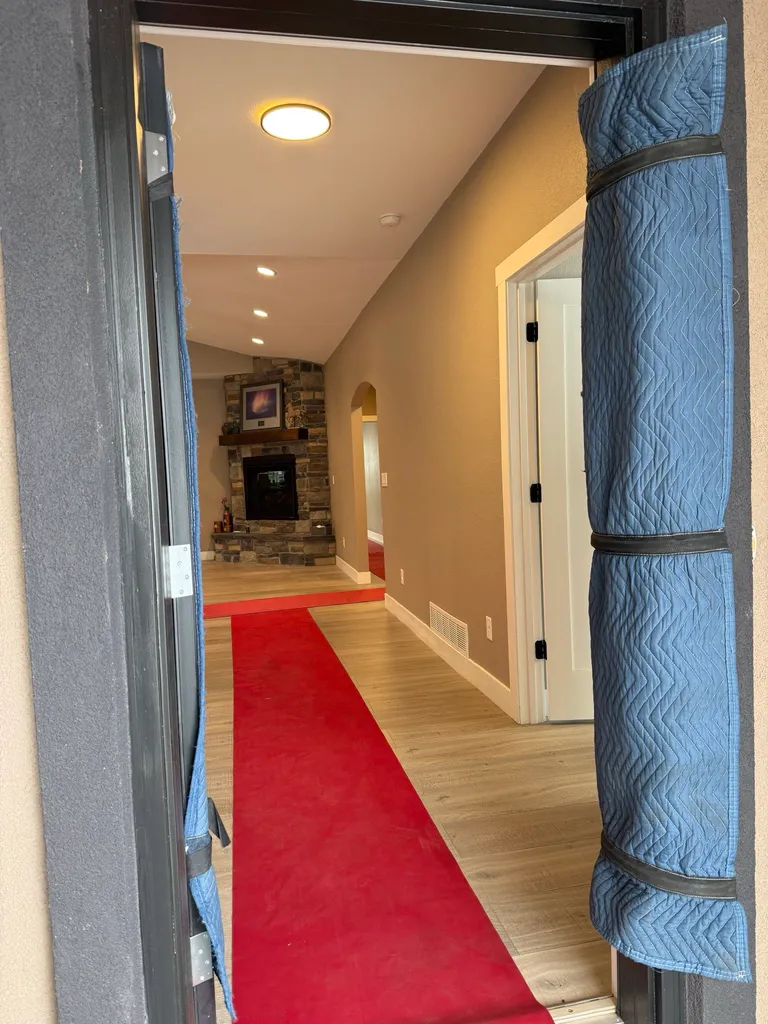
The risk in a therapy gym is point weight. A treadmill or loaded cable machine on a small dolly wheel can dent rubber flooring or crack a threshold, so we run floor protection over the path and use wide-base dollies for the heaviest units. Weight plates and dumbbells travel boxed, never loose.

Powered equipment is moved on the dealer's instructions and left unplugged in its bay. Your staff or the dealer power it on and run it through its range before a patient steps on. Mirror panels come to us only after the glazier has removed them; we carry them upright in padding and stage them against the wall they will hang on. The treatment rooms' charts and tablets are your staff's to pack and carry.

Who does what

Some of this job belongs to other trades. The written plan names each one.

Wall-mounted gym mirrors
A glazier removes, crates or pads, and rehangs them. We carry and stage the panels the glazier releases.
Cable machines, powered treadmills, and anti-gravity or aquatic treadmills
The equipment dealer or manufacturer's technician prepares and reassembles them; aquatic units also need a plumber for fill and drain lines.
Floor-anchored parallel bars and wall-mounted pulley systems
The installer or a contractor removes the anchors and patches the old floor or wall as the lease requires; we move the freed sections.

Not part of our work

  • Disassembling or re-cabling weight-stack machines beyond what the manual allows without a technician.
  • Checking or certifying any equipment for patient use.

Around Colorado Springs and El Paso County

Physical therapy clinics across Colorado Springs tend to follow the orthopedic and sports medicine offices they work with: near Penrose on North Nevada Avenue and west toward Garden of the Gods Road, in Briargate and InterQuest to the north, and along the Powers corridor out east. A clinic opening a Castle Rock location can reuse the same station layout at both sites.

The crew that shows up

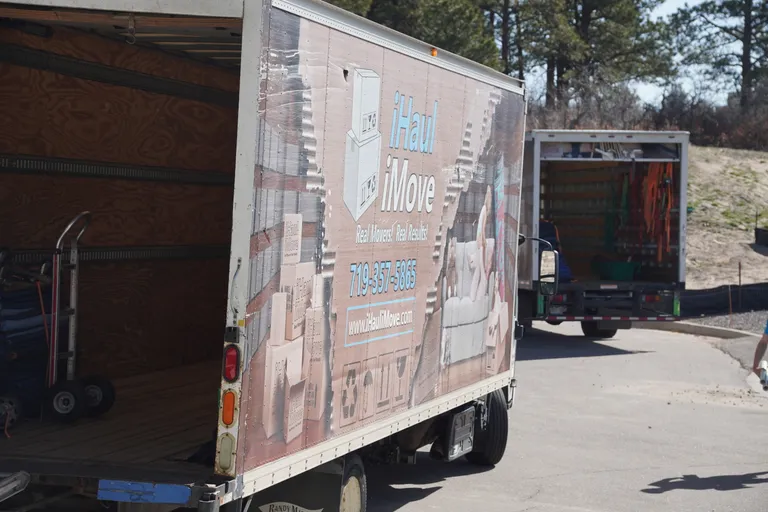
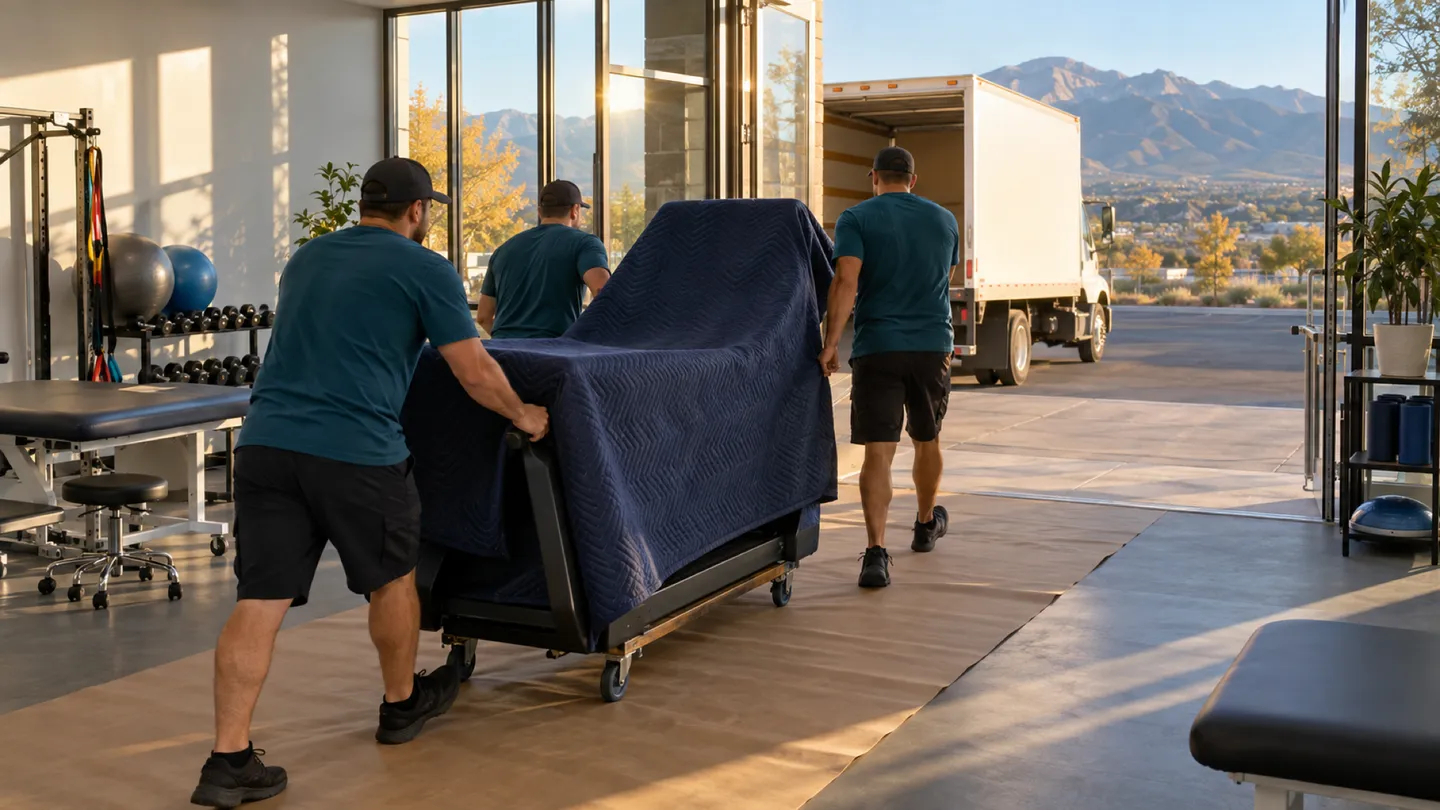
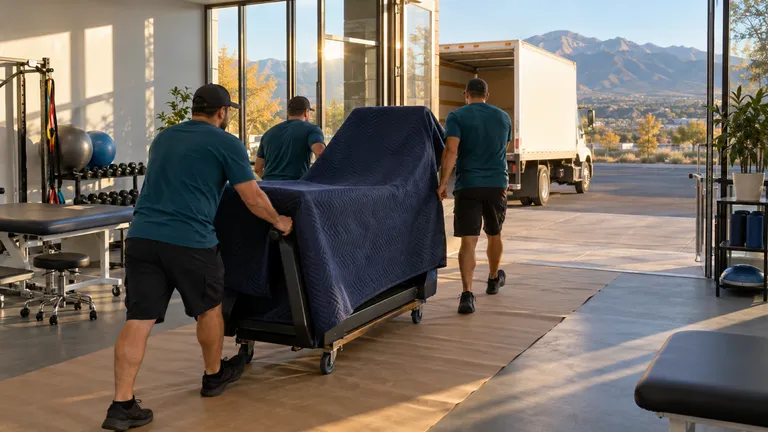
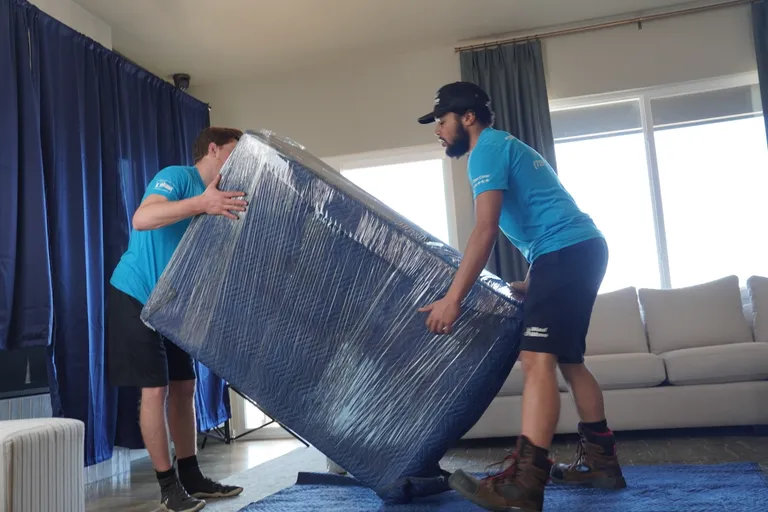
Two iHaul iMove movers carrying a stretch-wrapped piece of furniturePadded door frame and a floor runner laid out before a moveTwo iHaul iMove box trucks backed in with their rear doors open

Physical Therapy Clinic Moving FAQs

Another question? Call (719) 357-5865.

How do we keep post-surgical patients on protocol during the move?

Keep the closed gap short and plan the gym in treatment order. We move the tables and core stations on Friday evening or Saturday, and your front desk books Monday's first visits at the new address. Some clinics keep one table running at the old site until the new floor is ready.

Do we need to remove the weight plates from our cable machine?

Check the manufacturer's manual or ask the dealer. Some machines travel with the stack pinned at the bottom, others require plates removed or the frame partly taken apart, and a few need a technician. Send us the model, and we plan dollies, crew, and door clearance around whatever the manual says.

Our new clinic's rubber flooring is being installed the week of the move. Is that a problem?

It can be. Adhesive-installed rubber flooring usually needs time before heavy rolling loads, and the installer will tell you how long. Ask them to confirm a date, and we can stage the heavy units near the door or move lighter rooms first. We also lay protection over new flooring on the route to each bay.

Can the treadmills be moved folded, or do they need to come apart?

Most folding treadmills move folded and locked, and many rehab-grade treadmills with fixed decks move whole on a heavy dolly if the doors allow it. We measure each unit and the route. If a treadmill will not clear a turn in one piece, the dealer decides how it comes apart.

Plan your business move

Tell us both addresses, the building rules you know about, and the dates you cannot move. We will send back a written plan and estimate.

Call (719) 357-5865

Open 24 hours a day

Call Now call 719-357-5865