Healthcare & Medical

Chiropractic Office Moving in Colorado Springs

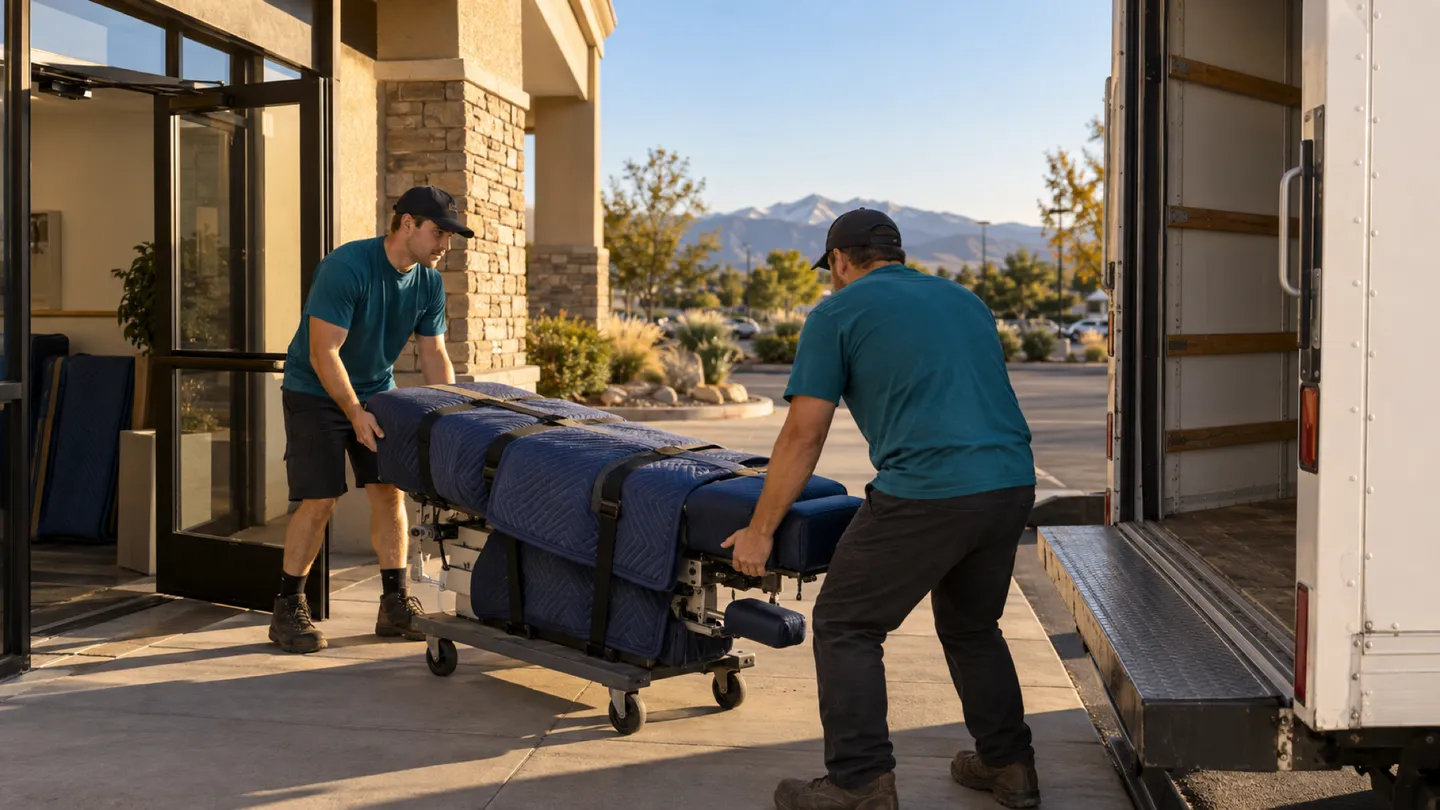
Adjusting tables travel lowered, locked, and in one piece on a measured route, while the rehab floor, modality carts, and front desk follow by room.

(719) 357-5865
Chiropractic Office moving in Colorado Springs: moving crew at work
  • 18+ Years Experience
  • 1,013+ Reviews 5-Star Rated
  • Family Owned Local Business

Start your free chiropractic office move quote

verified For estimate purposes only credit_card_off No credit card required

Planning a Chiropractic Office Move

Most of the weight in a chiropractic move sits in a few tables. A hi-lo table with an elevation motor, a drop table with cervical, thoracic, lumbar, and pelvic sections, a flexion-distraction unit: each is heavy, awkwardly balanced, and built to stay square. Its service manual usually says how it travels, and that manual sets our plan. Where a model calls for a factory technician, the dealer books one and we work around the visit.

Your care plans set the calendar. Patients coming in several times a week notice a locked door quickly, so many offices keep the old suite open through the last adjusting session and want the new one ready for the next first appointment. The reception desk, rehab floor, and a surprising volume of pillows and bolsters fill that short gap, which is why the tables get their own list and route.

Who usually signs off
Doctor of chiropractic who owns the practice, or the office manager, with the table dealer and X-ray vendor on the same calendar
Timing that works
Patients on active care plans come in several times a week, so the move usually fits between the last adjusting session at the old suite and the next morning's first visit at the new one, which often means an evening or a weekend.

What typically moves

  • Hi-lo and elevation adjusting tables Lowered to bottom height and locked as the service manual directs, padded around the motor housing, and carried upright along the route measured for its length.
  • Drop-section and flexion-distraction tables Drop pieces set and locked, headpiece and armrests secured or bagged with the table, so nothing swings loose on a ramp or lift gate.
  • Pillows, wedges, bolsters, and drop blocks Packed by adjusting room so each table's accessories arrive with it instead of landing in a general supply box.
  • Rehab-floor stability balls, balance boards, and foam rollers Bagged and cartoned by exercise area. Freestanding racks travel; wall-mounted ones stay unless your lease lets you take them.
  • Electrical stimulation and ultrasound modality carts Units ride in padded cartons beside their carts, with lead wires, pads, and gel bottles bagged per unit.
  • Reception counter, patient chairs, and file cabinets Modular reception pieces are taken apart and rebuilt. Your staff decide which cabinets travel sealed and who carries the keys.

Access and scheduling

Chiropractic suites in Colorado Springs are often ground-floor units in retail centers, which helps: a table rolls out a storefront or rear door instead of riding an elevator. The limits are the shared lot, a rear door that opens onto a drive lane. In a medical office building, ask the manager about the freight elevator's cab depth, because a long table in its transport position may not fit a passenger car. We measure each table and every turn at both addresses before booking.

Schedule backwards from the first adjusting session at the new suite. Many practices close for a long midday break or a half day, which is enough time to box small rooms. The tables usually move after the last evening patient or on a weekend when the center allows it. Put the X-ray vendor's dates on the same calendar.
Protection and handling

A table that arrives with a bent drop mechanism or a pinched motor cable cannot be used on a patient. We pad the upholstery and the base frame separately, strap the foot controls and power cord to the frame, and lift at the frame rather than the headpiece or drop sections. On the truck, each table stands upright, strapped in place, with nothing stacked on the cushions.

At the new suite, each table goes into its room on level floor and waits for your staff or the dealer to power it up and run it through its full range of motion before anyone lies on it. Patient files and intake tablets stay with your staff, who seal or carry them as they choose.

Who does what

Some of this job belongs to other trades. The written plan names each one.

Decompression tables and motorized traction units
The manufacturer's or dealer's technician prepares them, moves them if the warranty requires it, and recalibrates them. We carry a unit only after they release it with written instructions.
X-ray unit and digital image reader
Your X-ray vendor removes, reinstalls, and tests it and handles the state paperwork for the new room. Shielding in the new room is the build-out contractor's scope.
Table function checks after the move
Your staff or the dealer run each table's elevation, drops, and controls before patients return; our crew sets it in its room on level floor.

Not part of our work

  • Opening, servicing, or adjusting a table's motor, hydraulics, or drop mechanism.
  • Handling patient files or practice software, which your staff keep under their own control.

Around Colorado Springs and El Paso County

Many Colorado Springs chiropractors practice from retail-center suites near Northgate, in Briargate, and off Powers Boulevard, and others from medical office buildings off North Nevada Avenue. A practice opening a second office in Monument or Castle Rock has Monument Hill in the way, where winter storms can slow I-25 with little warning from fall into spring, so a table move up that stretch gets a backup date.

The crew that shows up

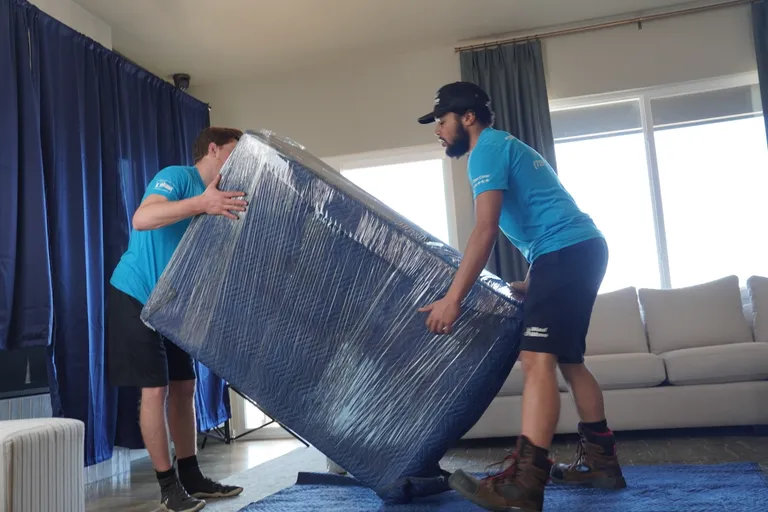
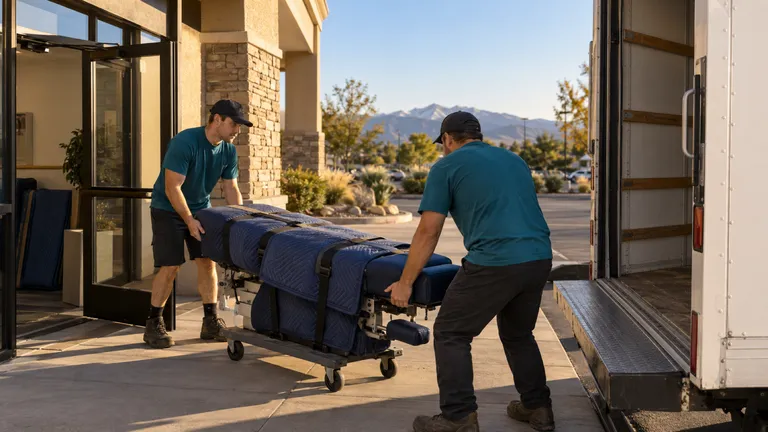
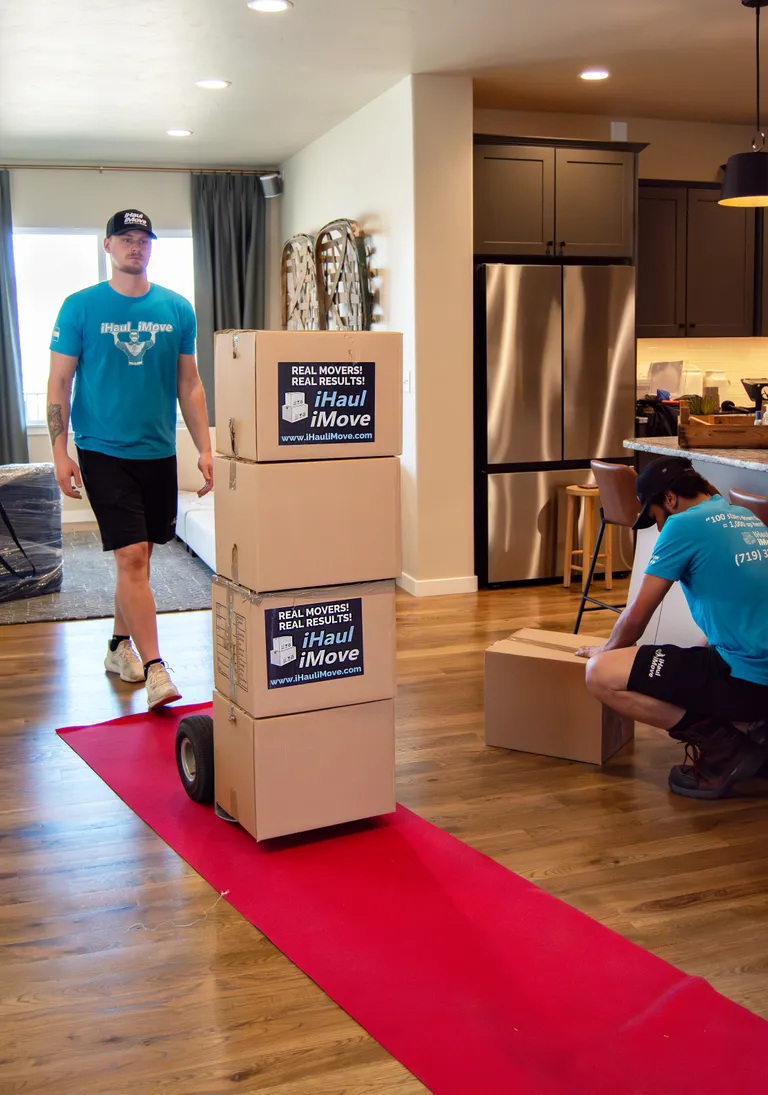
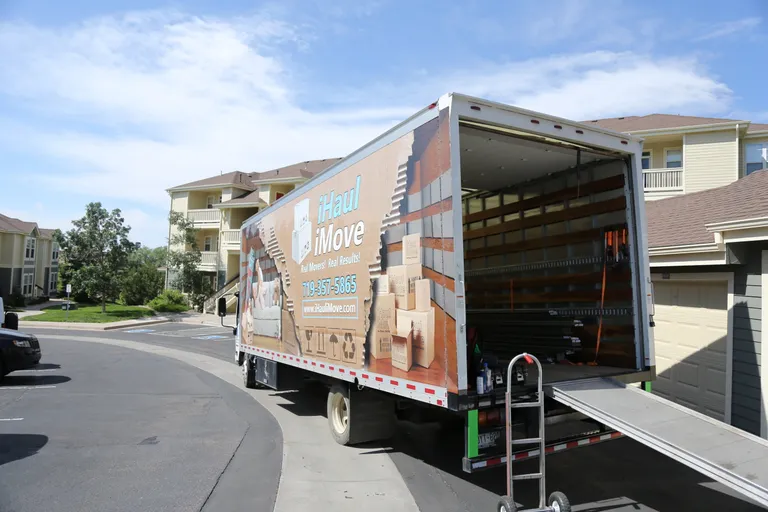
iHaul iMove mover rolling stacked boxes across a floor runneriHaul iMove box truck with its ramp lowered and a hand dolly waitingTwo iHaul iMove movers carrying a stretch-wrapped piece of furniture

Chiropractic Office Moving FAQs

Another question? Call (719) 357-5865.

Do the drop sections on our tables need to be locked before the move?

Yes, in nearly every manual we see. A cervical or pelvic drop piece left set to fire can snap down when the table is tipped onto a ramp or lift gate. Your staff or the dealer set and lock each section, and we check them again before the table leaves the room.

Our decompression table came from a different dealer than our adjusting tables. Who moves it?

Ask the decompression table's dealer first. Many motorized traction units carry warranty or calibration terms that expect their own technician to prepare and reset them. If the dealer releases it to us with instructions, we can carry it on the same truck. If they want to transport it themselves, we leave its room clear and plan the other tables around their visit.

Can we keep adjusting in one room while the rest of the office is packed up?

Often, yes. Your office manager picks the last room to close, and we box the rehab floor, supply shelves, and front office around it while patients keep coming. The working table moves last, after the final session. We keep its path to the entrance clear.

Should a table that rode in a cold truck sit before we turn it on?

Follow the manual if it states an operating temperature. If it does not, we suggest letting a motorized table warm to room temperature before running the motor, which matters on a Colorado Springs winter morning when the truck box has been below freezing. Our crew sets the table in place and leaves the power-up to your staff or the dealer.

Plan your business move

Tell us both addresses, the building rules you know about, and the dates you cannot move. We will send back a written plan and estimate.

Call (719) 357-5865

Open 24 hours a day

Call Now call 719-357-5865