
Healthcare & Medical

Specialty Clinic Moving in Colorado Springs

Consult rooms, recovery recliners, and scheduling desks move on your procedure calendar; imaging, procedure lights, and sterilizers move with their vendors.

(719) 357-5865
Specialty Clinic moving in Colorado Springs: moving crew at work
  • 18+ Years Experience
  • 1,013+ Reviews 5-Star Rated
  • Family Owned Local Business

Start your free specialty clinic move quote

verified For estimate purposes only credit_card_off No credit card required

Planning a Specialty Clinic Move

Dermatology, ENT, orthopedic, GI, and cardiology practices share one relocation problem: the rooms that earn the most are the ones a mover cannot touch. A procedure room holds a powered table, a ceiling-mounted light, perhaps imaging or a sterilizer, and each belongs to a vendor with its own service contract and test steps. Everything around those rooms, from the consult offices to the recovery bays, is the crew's work.

That splits the move into two calendars. Your scheduling team blocks a final procedure day in the old space and a first one in the new space, and the gap between them is set by vendors: removal, reinstall, testing, and, for any X-ray or fluoroscopy room, the shielding review your clinic and imaging vendor arrange for the new space. We fit the crew's days inside that gap, clearing consult rooms and storage early and setting recovery bays and the front office so they are ready when the first patient is.

The healthcare moving hub describes how other clinical practices split the same work.

Who usually signs off
Practice administrator or clinic operations lead, with the clinical lead approving each room's release
Timing that works
Procedures are booked weeks ahead, so the date is set by the last procedure day at the old suite and the vendor's reinstall and testing at the new one, not by the lease alone.

What typically moves

  • Consult-room desks, guest chairs, and imaging view stations Moved early, since consult rooms rarely depend on a vendor. Monitors and computers are reconnected at each consult desk.
  • Recovery-bay recliners and privacy curtains on rolling stands Padded and tagged to their bay, then placed so nurses can see every recliner from the station.
  • Clean-supply shelving and sealed procedure-supply cartons Your staff pack by shelf and seal; we rebuild the shelving to the new plan and stage cartons beside it.
  • Scheduling and pre-authorization desks Set up first, so the team booking procedures at the new address can keep working while clinical rooms are finished.
  • Casting-room carts and orthopedic supply cabinets Freestanding pieces move empty with drawers taped; saws and powered tools go with their owner or vendor.
  • Nurse-station counters and patient education racks Modular counter sections are tagged by position; built-in casework stays for the contractor to assess.

Access and scheduling

Build the date from the vendor schedule outward. Ask each vendor how long removal, transport, reinstall, and testing take for their equipment, and whether any room needs work by a contractor first, such as a medical gas outlet or an electrical feed. Once those windows are known, the crew's days go around them: consult rooms and storage before the vendors arrive, recovery bays and nurse stations after procedure rooms are handed back.

Specialty suites often share a medical office building with other practices, so the property manager may assign one loading window per tenant and limit carts in the patient lobby during clinic hours. Ask for the building's written move rules, whether our insurance certificate needs a particular certificate holder, and when the elevator can be reserved. Clinics that cannot close on a weekday can ask for a Saturday, subject to building hours. Tell us when vendor crews need the same elevator, so two teams are not queued at one door.
Protection and handling

Recovery recliners and upholstered consult chairs are padded and carried, never dragged, and their mechanisms are locked flat before lifting. Shelving sections keep their shelves and clips together. At the new suite, the crew leaves a clear space around every procedure-room equipment position, marked on your plan, so the vendor's team is not working around cartons.

The crew does not decide what is safe to move in a clinical room. If a vendor releases a freestanding cart or cabinet to us, it travels on their instructions; if not, it stays for them. Medication, the emergency cart's contents, and specimen supplies are handled by your clinical staff. Records and devices with patient details stay sealed in staff hands. At the front desk and consult rooms, our crew unplugs and reconnects desk computers and monitors, and your IT contact restores scheduling and imaging software access.

Who does what

Some of this job belongs to other trades. The written plan names each one.

Powered procedure tables, ceiling-mounted procedure lights, and sterilizers
The equipment vendor pulls, reinstalls, and tests them. Our crew carries a released piece only on their instructions.
X-ray, fluoroscopy, and ultrasound units
The imaging vendor handles removal and installation, and the clinic arranges the shielding review and any registration change for the new room.
Medical gas outlets and building electrical feeds
Licensed trades disconnect, cap, and reconnect them. The crew works around those positions once released.

Not part of our work

  • Moving medication, the emergency cart's contents, or specimen supplies; clinical staff handle them.
  • Judging whether a clinical device is fit to use after it arrives.

Around Colorado Springs and El Paso County

Specialty practices in Colorado Springs gather near the hospitals: in medical office buildings along North Nevada Avenue by Penrose-St. Francis, near Memorial Central downtown, and on the north side by Memorial North, with newer suites in InterQuest and along the Powers corridor. Satellite offices in Castle Rock or Denver share the same room tags.

The crew that shows up

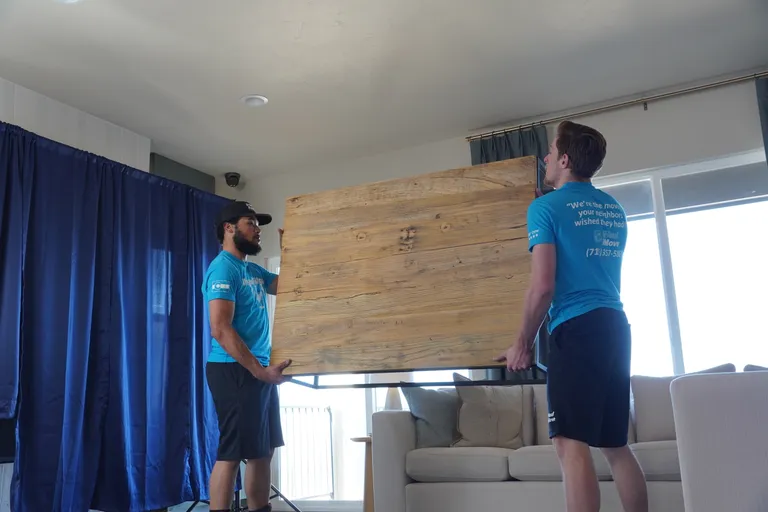
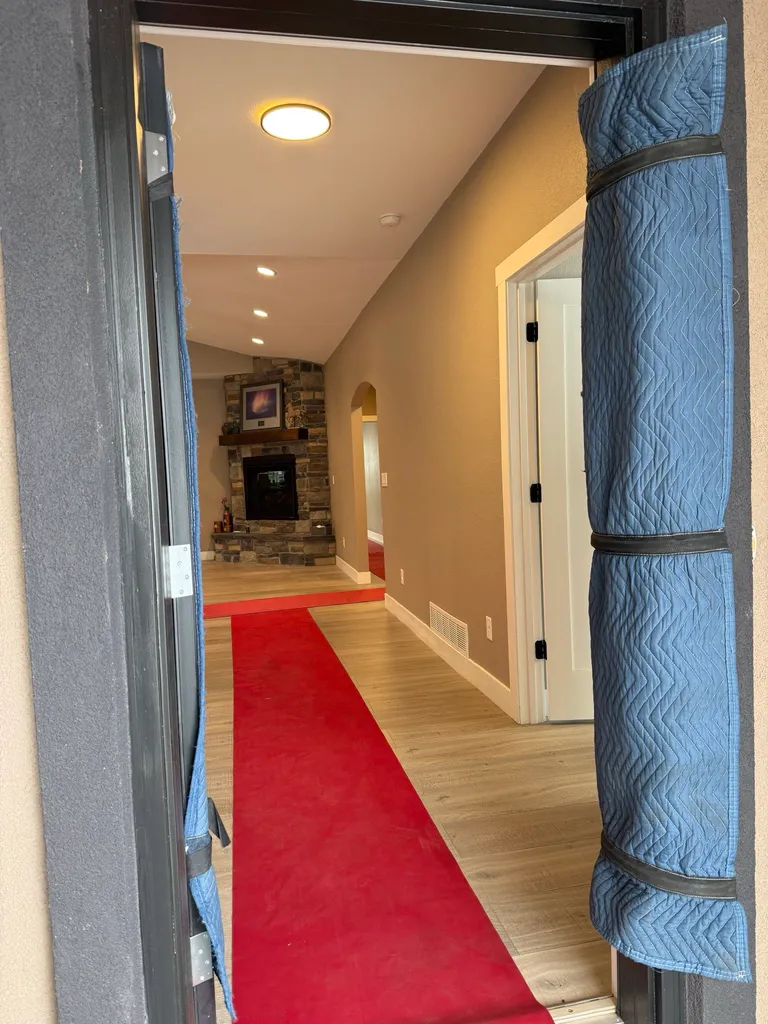
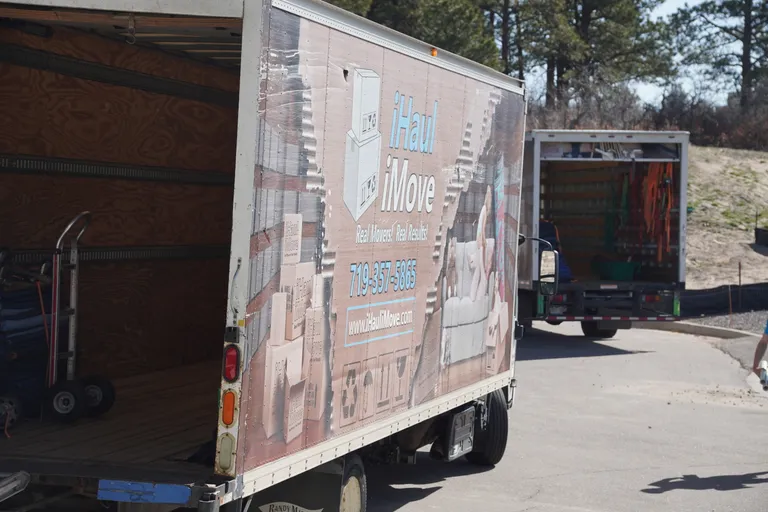
Padded door frame and a floor runner laid out before a moveTwo iHaul iMove box trucks backed in with their rear doors openTwo iHaul iMove movers raising a large wood tabletop together

Specialty Clinic Moving FAQs

Another question? Call (719) 357-5865.

How long should our specialty clinic stop booking procedures for a move?

Ask your vendors first. The procedure gap is usually set by how long removal, reinstall, and testing take, not by the moving crew. Once you have those windows, we fit our days inside them, clearing consult rooms and storage before vendors arrive and finishing recovery bays after procedure rooms are handed back. Your scheduling team then books the first procedure.

Who arranges the shielding review for our new X-ray room?

Your clinic and its imaging vendor. Shielding for a room with X-ray or fluoroscopy equipment is reviewed for the new space by the people responsible for that equipment, along with any registration change. The crew has no part in it, but knowing the date helps us plan when the room around the unit can be furnished.

Can recovery bays be set before the procedure rooms are finished?

Usually, yes. Recovery recliners, curtain stands, and the nurse station do not depend on the vendors, so we can place them from your plan while procedure rooms are still being installed. The crew keeps a clear path from recovery to the procedure rooms so vendors and nurses can pass while work continues.

Should the scheduling desks move before the clinical rooms?

Often. The team booking procedures and handling pre-authorizations can work at the new suite while clinical rooms are finished, which keeps the calendar filling during the gap. We move their desks first, reconnect computers and monitors, and your IT contact brings the scheduling software back before the clinical loads arrive.

Plan your business move

Tell us both addresses, the building rules you know about, and the dates you cannot move. We will send back a written plan and estimate.

Call (719) 357-5865

Open 24 hours a day

Call Now call 719-357-5865