
Healthcare & Medical

Moving a Counseling or Therapy Practice in Colorado Springs

Session rooms, group rooms, and play-therapy shelves moved between client hours, with case notes and sound systems left to your staff and installer.

(719) 357-5865
Behavioral Health Office moving in Colorado Springs: moving crew at work
  • 18+ Years Experience
  • 1,013+ Reviews 5-Star Rated
  • Family Owned Local Business

Start your free behavioral health office move quote

verified For estimate purposes only credit_card_off No credit card required

Planning a Behavioral Health Office Move

Clients notice when a therapy office changes. The chair they sit in, a lamp instead of the overhead light, the white-noise machine humming outside the door: these are part of how a session room feels safe, and a relocation should carry them over rather than reinvent them. Your clinical director sets each room; our crew puts it back so a returning client recognizes it.

Behavioral health suites have details most offices lack. Many have a separate exit so a client leaving a session does not walk back through the waiting room. Play-therapy rooms carry shelves of sandtray miniatures sorted by a clinician's own system. Group rooms hold chairs set in a circle, not rows. The plan covers which doors the crew may use during sessions, which shelves staff pack, and which rooms open first.

Case notes, intake forms, and devices with client information stay with your staff. The healthcare moving hub explains how clinical suites divide work between movers and vendors.

Who usually signs off
Practice owner or clinical director, with an office manager coordinating rooms and appointment blocks
Timing that works
Therapy calendars fill late afternoons and early evenings, so moves usually fit a Friday evening or a weekend on request, after clients have been told the new address.

What typically moves

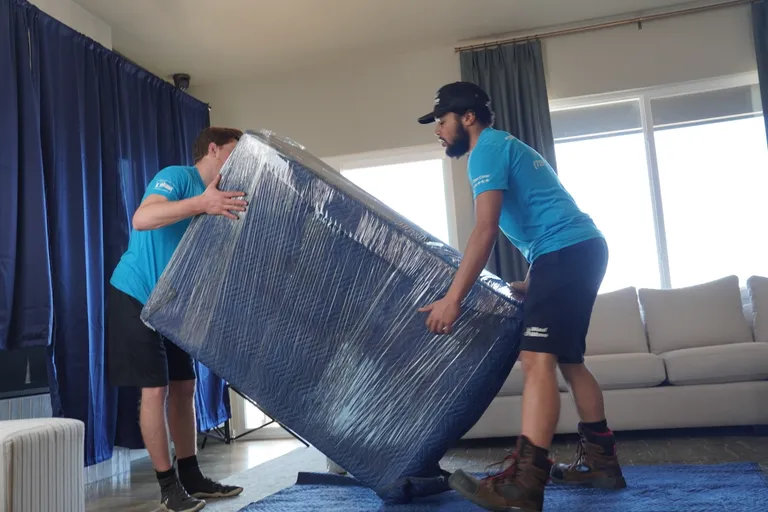
  • Session-room armchairs, loveseats, and ottomans Padded and covered, then photographed in place with your permission so the client's seat and the clinician's chair keep the same angle.
  • Sandtray tables and miniature shelving Trays travel emptied or with sand bagged by staff. Your clinician boxes miniatures shelf by shelf so the collection returns in the same order.
  • Freestanding sound-masking units and white-noise machines Unplugged, bagged with their cords, and set back outside the right doors. Ceiling-mounted masking stays with its installer.
  • Group-room stacking chairs and circle tables Counted and stacked by room, then set back in the circle or U-shape the group facilitator uses.
  • Floor lamps, table lamps, and clinician bookcases Many therapy rooms avoid overhead light, so shades and harps are boxed apart from their bases and matched again at delivery.
  • Waiting-room chairs and literature racks Placed from your sketch so the check-in window and the route to the separate exit stay open.

Access and scheduling

Clients often book sessions after work or school, so the quietest time to move is usually a Friday evening or a weekend, on request and within building rules. If the practice stays open during a partial move, tell us which rooms are booked and when. The crew keeps carts out of the corridor beside an occupied room, stays off the separate exit path while a client may be using it, and saves the loudest steps, such as breaking down bookcases, for gaps between sessions.

Many practices rent suites in professional buildings with a shared entrance and one elevator. The property manager sets move hours and the loading spot, and some landlords want our insurance certificate on file before a therapy suite can be emptied. Walk the new suite with your clinical director before moving day and mark where each chair goes, so nobody is rearranging furniture while the first client waits.

Protection and handling

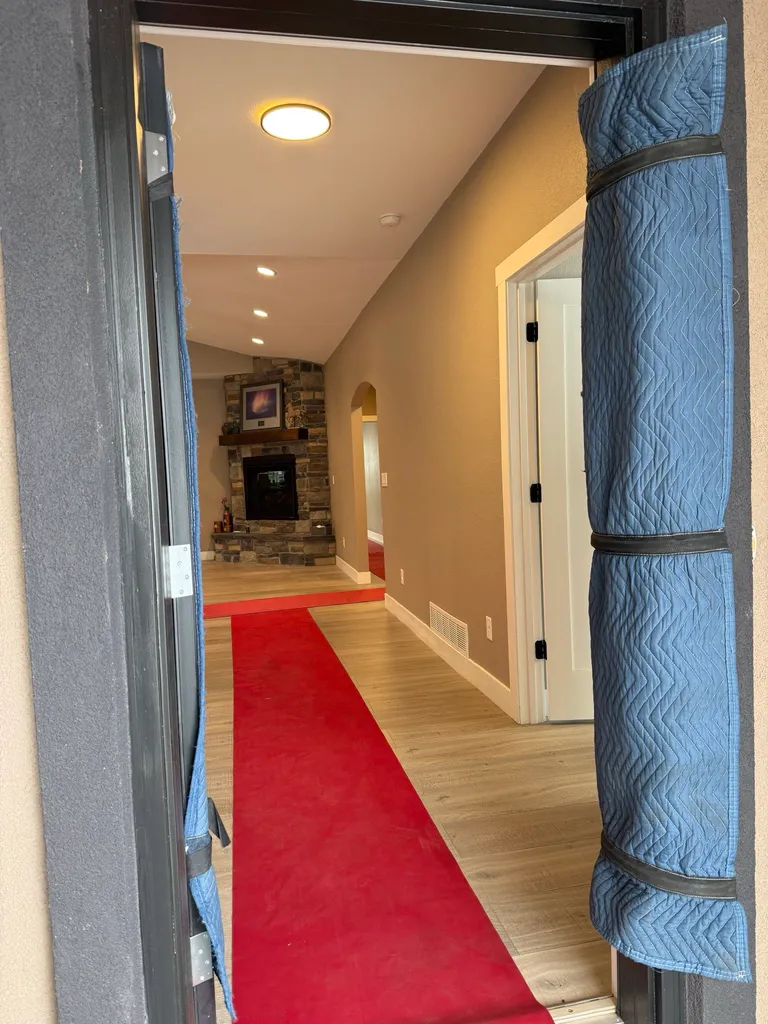
Upholstered pieces scuff easily. Cushions ride with their frames, legs and arms get pads, and tape never touches fabric. Sandtray shelving is broken down by your clinician's shelf labels, with its hardware bagged to the unit. Lamps and freestanding white-noise machines are wrapped one at a time; they set the mood of a room and disappear easily among cartons.

Nothing confidential passes through the crew's hands open. Clinicians carry case notes and laptops themselves, or seal them in cartons that we move exactly as handed over. Our crew can unplug desk computers and reset them at each clinician's desk, while your IT contact tests telehealth accounts, phones, and the network. Acoustic wall panels, door sweeps, and ceiling masking systems belong to the installer or building contractor.

Who does what

Some of this job belongs to other trades. The written plan names each one.

Ceiling sound masking, acoustic wall panels, and door seals
The installer or your building contractor removes and reinstalls them. The crew moves freestanding white-noise machines only.
Case notes, intake paperwork, and clinician laptops
Clinicians carry them or seal them in cartons. We move sealed cartons as handed over and never open them.
Telehealth platforms, phones, and network
Your IT contact tests video sessions and call routing at the new suite after our crew reconnects desk computers and monitors.

Not part of our work

  • Reading, sorting, or packing case notes and client files, which remain in your staff's hands.
  • Deciding how a therapy room is arranged; the clinician sets the layout and the crew follows the sketch.

Around Colorado Springs and El Paso County

Counseling practices in Colorado Springs tend to rent small suites in professional buildings near downtown and UCHealth Memorial Central, along North Nevada Avenue, and on the north side in Briargate and InterQuest. Practices that serve military families often choose offices near the Powers corridor or south toward Fountain. Most share one entrance and one elevator among several tenants, so a quiet cart plan matters.

The crew that shows up

iHaul iMove box truck with its ramp lowered and a hand dolly waitingTwo iHaul iMove movers carrying a stretch-wrapped piece of furniturePadded door frame and a floor runner laid out before a move

Behavioral Health Office Moving FAQs

Another question? Call (719) 357-5865.

Can clinicians keep seeing clients in some session rooms while others are packed?

Often, yes. Give us the booked rooms and session times, and we clear the free rooms first, keeping carts away from occupied doors and off the exit path clients use. Loud work waits for the gaps between sessions. If the suite is small or has one hallway, a Friday evening or weekend move on request is usually kinder to clients.

How do we keep a play-therapy room's sandtray collection in order?

Have the clinician box the miniatures by shelf and number each box to the shelf it came from. We break down the shelving with its hardware bagged, carry the trays level, and rebuild the unit in the same position. The clinician unpacks the boxes in number order, so the collection looks the way children remember it.

Should our clinicians carry case notes and laptops to the new office themselves?

Many practices choose to. Anything the clinicians would rather not hand over can travel in their own cars. Anything they give the crew should be sealed and marked on the outside with a room code only, no client names. We move those cartons as handed over and leave them unopened for your staff.

Can the new session rooms be ready before our first client appointment there?

Yes, if the order is set in advance. Tell us which rooms host the first appointments and we load those last and unload them first, with chairs, lamps, and white-noise machines placed from your sketch. Your clinicians can then adjust spacing and lighting before opening the door, while group rooms and offices finish behind them.

Plan your business move

Tell us both addresses, the building rules you know about, and the dates you cannot move. We will send back a written plan and estimate.

Call (719) 357-5865

Open 24 hours a day

Call Now call 719-357-5865