Retail, Restaurant & Hospitality

Auto Parts Store Moving in Colorado Springs

Aisle-by-aisle moves for bin shelving and heavy parts stock, packed by location code so the counter can find a part at the new store.

(719) 357-5865
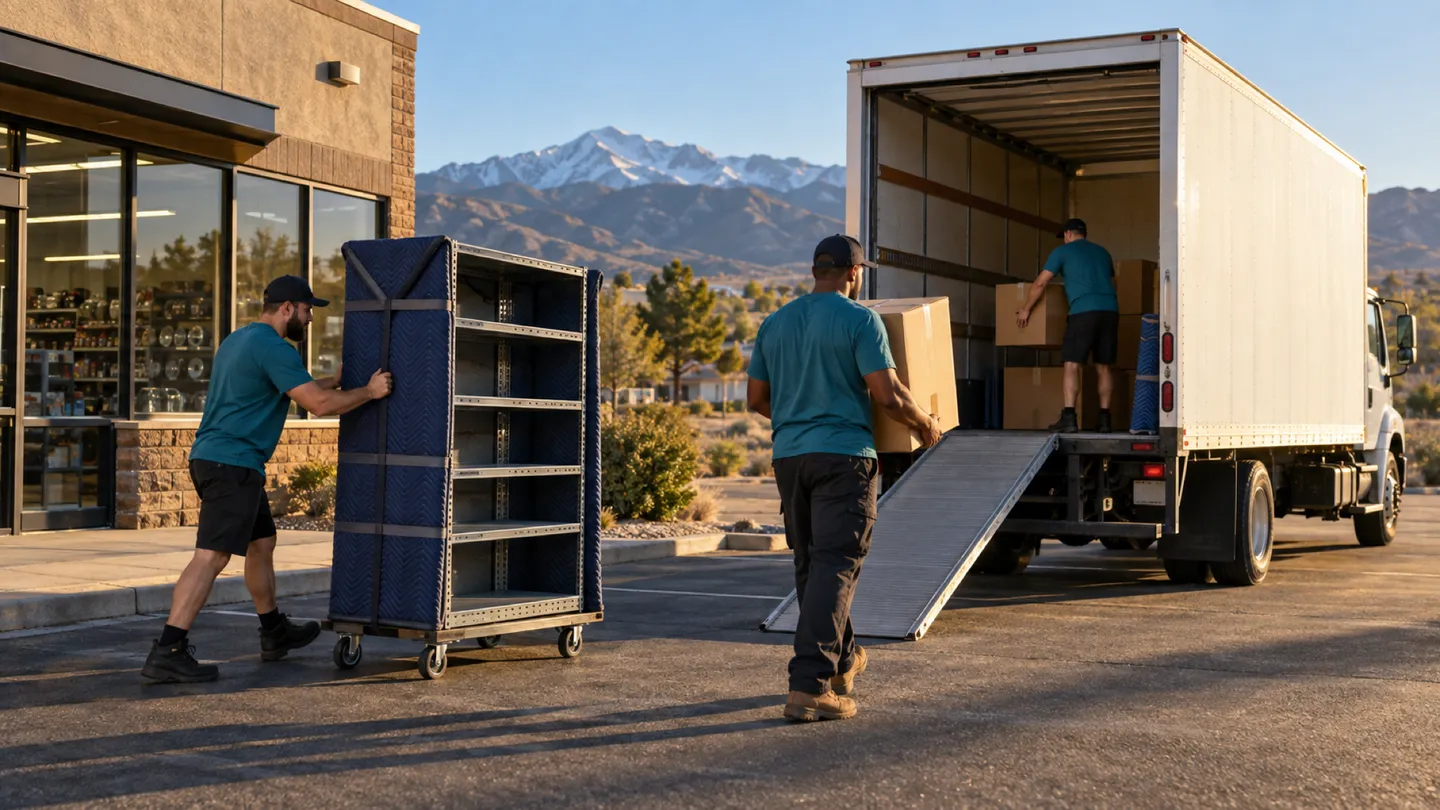
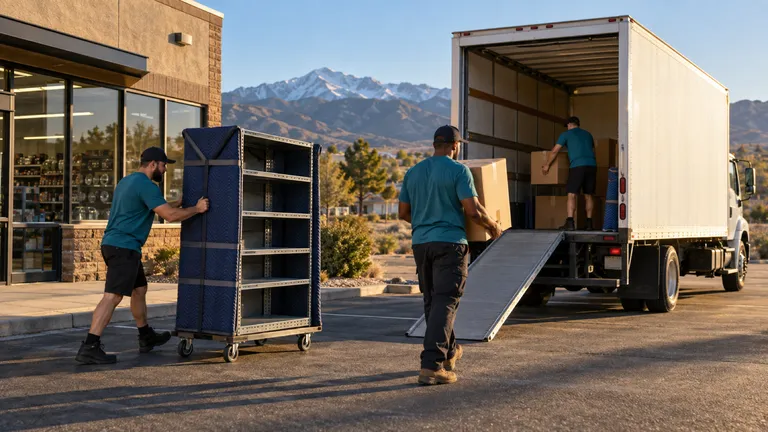
Auto Parts Store moving in Colorado Springs: moving crew at work
  • 18+ Years Experience
  • 1,013+ Reviews 5-Star Rated
  • Family Owned Local Business

Start your free auto parts store move quote

verified For estimate purposes only credit_card_off No credit card required

Planning a Auto Parts Store Move

An auto parts counter runs on location codes. When a customer asks for a water pump, the counter person looks it up, reads an aisle and shelf, and walks straight to it. If the move scrambles those codes, the store is effectively closed even with its doors open. So the move is planned around your location map, aisle by aisle, and every carton carries the code of the shelf it came from and, if different, the shelf it is going to.

Parts stock is also dense. Rotors, drums, calipers, starters, and alternators come in small, dense boxes that add up quickly, so we pack them into cartons a person can lift safely and keep them on the bottom of each load. Batteries, fluids, and core returns stay on your team's list and move under your company's own rules for them. We move the shelving, the counter, the parts stock your team clears, and the back-room racks of freestanding bin shelving.

Who usually signs off
Store owner or operations manager, with the inventory lead approving the bin map and stock release
Timing that works
Evenings after close and weekend days, one aisle group at a time, avoiding the spring and fall seasons when counter traffic peaks for brakes, batteries, and wipers.

What typically moves

  • Freestanding bin shelving and dividers Taken down by aisle, with dividers and bin fronts bundled to their section and the aisle number on every upright.
  • Rotors, drums, and brake hardware Packed flat in small, heavy cartons, low in the load, with the location code on two sides.
  • Starters, alternators, and remanufactured units Kept in their own boxes, cored units separated by your team, and cartoned by shelf.
  • Filters, belts, hoses, and boxed maintenance parts Light but numerous. Packed shelf by shelf so a full shelf lands as one carton group.
  • Small-parts drawer cabinets Drawers taped shut or stacked in trays so fasteners, bulbs, and fuses stay in their slots.
  • Counter lookup stations and receipt printers Disconnected, labeled by terminal, and reconnected at the new counter; your IT team handles the catalog and network.
  • Loaner tool program cases Moved as a set after your staff check them in, so the loaner shelf is complete at the new store.

Access and scheduling

Counter sales and commercial deliveries to repair shops rarely stop for a move, so the store usually moves in groups of aisles. We start with slow sellers and back-room overflow, then the main aisles, and leave the fast movers near the counter for last. Your store manager sets the cutoff for each group, and your inventory lead updates location codes in your system as each group lands. That lets the counter keep selling from whichever building holds the part.

Plan for weight at both doors. We check whether the old and new buildings have a dock, a ground-level rear door, or only the front entrance, and whether the path is smooth enough for loaded carts. Most parts stores sit in retail centers, so ask the landlord about truck hours and whether they need a certificate of insurance. Reroute or hold supplier deliveries due during the move week.

Protection and handling

The main risk with parts stock is weight, not fragility. Dense cartons are kept to a safe lifting weight, and loaded carts roll on runners where the floor is finished. Heavy parts never go on top of boxed filters or light electrical parts. Chrome and painted trim pieces are wrapped.

Location labels are the other protection. Each carton carries its source aisle and shelf, and your team's destination code if the layout changes. Shelving is rebuilt in aisle order at the new store and checked for level before cartons are set in front of it. Your staff shelve the stock and confirm counts. If a carton is crushed or a part box is damaged, we set it aside for your inventory lead before it goes on a shelf.

Who does what

Some of this job belongs to other trades. The written plan names each one.

Batteries, fluids, and core returns
Your store team moves them under your company's own rules for hazardous and returned stock.
Catalog system, counter terminals, and network
Your IT support sets up the lookup system and network. We handle the physical computers and printers only.
Anchored or wall-fastened shelving and signage
Your fixture installer or sign company removes and installs anything bolted to the building.

Not part of our work

  • Transporting batteries, fluids, or anything your company classifies as hazardous.
  • Counting stock or updating location codes in your inventory system.
  • Moving machines such as brake lathes or key cutters that need a service technician.

Around Colorado Springs and El Paso County

In Colorado Springs, parts stores sit on busy arterials and in strip centers along the Powers corridor, North Nevada Avenue, and near Garden of the Gods Road, often with a shared rear lane and limited truck hours. Spring and fall bring the counter's busiest weeks as drivers switch tires, brakes, and batteries for the season, so a quieter summer or midwinter week usually fits better. A store moving to Fountain, Falcon, or Monument follows the same aisle plan.

The crew that shows up

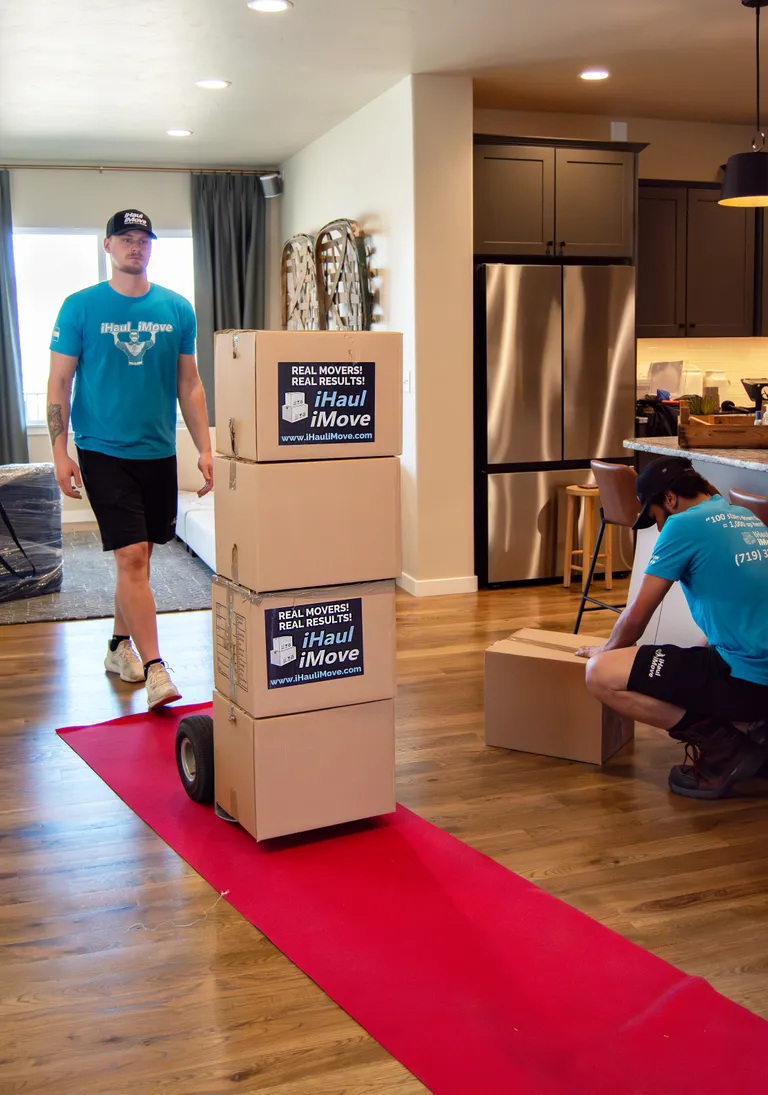
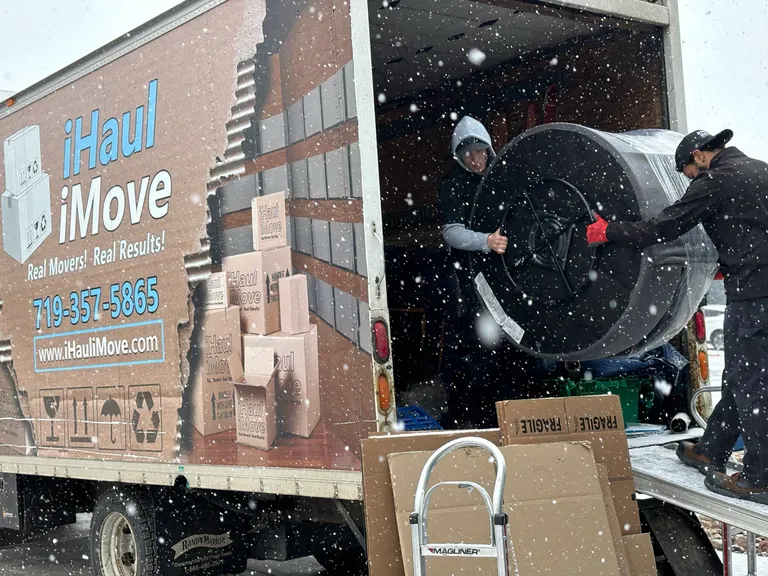
iHaul iMove crew loading a padded item into the truck as snow fallsiHaul iMove crew in teal shirts gathered beside the company truckiHaul iMove mover rolling stacked boxes across a floor runner

Auto Parts Store Moving FAQs

Another question? Call (719) 357-5865.

How should we label cartons when the new store changes every bin number?

Give us an old-to-new location map before packing starts. We write the old code on each carton, add the new code from your map, and load by destination aisle. Your inventory lead updates the system. If the map changes partway through, we switch the destination labels on the remaining cartons.

Can we keep filling counter orders from bins that have not moved yet?

Yes. We move in aisle groups, and each group closes only when your manager says so. The counter keeps selling from untouched aisles at the old store, and from the new store once a group lands and your team updates its codes. Commercial delivery drivers can pull from whichever building holds the part.

What is the plan for heavy rotor and drum stock on upper shelves?

We take it down first, while the shelving is still standing, so nobody reaches above a half-empty upright. Dense stock goes into small cartons kept to a safe lifting weight, rides on the truck floor, and comes off first at the new store. Your team decides whether it goes back on upper shelves.

Who checks cores, returns, and parts that arrive from suppliers during the move?

Your store team. Cores and returns stay on your list, and supplier deliveries should go to whichever store your manager names for that day. We keep any cartons your team hands us for returns in a separate, labeled group so they do not get shelved with sellable stock.

Plan your business move

Tell us both addresses, the building rules you know about, and the dates you cannot move. We will send back a written plan and estimate.

Call (719) 357-5865

Open 24 hours a day

Call Now call 719-357-5865