
Warehouse & Light Industrial

Warehouse Moving in Colorado Springs

Dock-to-dock moves loaded in zone and bin order, with your team's count at both ends and a clear split with your equipment vendors.

(719) 357-5865
Warehouse moving in Colorado Springs: moving crew at work
  • 18+ Years Experience
  • 1,013+ Reviews 5-Star Rated
  • Family Owned Local Business

Start your free warehouse move quote

verified For estimate purposes only credit_card_off No credit card required

Planning a Warehouse Move

Warehouse moves go wrong at the receiving dock, not the shipping one. If pallets land out of order, the new building fills with stock nobody can find, and the first pick at the new address turns into a search. So the plan runs backward from the new layout. Your team assigns every zone and bin range a destination in the new building, and the trucks are loaded so that each one carries a single zone, in bin order, ready to be put away without re-sorting.

Your inventory lead owns the numbers. Your team counts a zone before it leaves and again when it lands, and closes it in your system. Our crew moves what the count sheet lists, with pallets on manual pallet jacks where the dock and floor allow, loose cartons on four-wheel dollies, and shelving, benches, and office furniture wrapped and tagged. Storage structures and powered equipment stay with their own vendors, listed below.

Who usually signs off
Warehouse operations manager or owner, with the inventory lead and receiving supervisor signing off on counts and placement
Timing that works
After the last outbound shipment clears the old dock, one zone at a time, with the new building's racking finished and inspected before the first truck backs in.

What typically moves

  • Shrink-wrapped pallets of boxed stock Moved on manual pallet jacks in zone order, with your zone and bin range written on the wrap.
  • Bin shelving and small-parts totes Totes are lidded or wrapped by shelf, and the shelving is rebuilt in the same bin sequence at the new site.
  • Pack-out tables and mobile benches Emptied, padded at the edges, and tagged to their spot on the new floor plan.
  • Wire cages, rolling carts, and pallet dollies Loaded empty, with removable dividers and gates kept with the cage they fit.
  • Shipping scales and label stations Your staff zero and pack the scale heads; we carry the stands and label printers to the new shipping desk.
  • Receiving office desks and file cabinets Moved with the office side of the building after the dock is running at the new address.

Access and scheduling

Both docks need a plan. We check dock height and whether the levelers work, whether the plates will take a loaded pallet jack, the truck court's turning room, and how many doors we can use at once. Your building contacts confirm floor and dock ratings. A grade-level door, with no dock at all, changes how pallets come off a box truck, so we plan liftgate unloading or break pallets down to carts where needed.

One zone per truck usually works well. The old dock loads zone A while zone B stays pickable. The new dock receives zone A, your team counts it and puts it away, and then the next truck arrives. The installer building your new storage structure works ahead of us, and their inspection sign-off should be done before stock arrives. If a property wants a certificate of insurance before dock access, tell us which names to list. Weekend dock time is possible on request.
Protection and handling

Pallet damage happens at edges and corners, so we check each pallet's wrap and base before it moves. A broken deck board or a torn wrap goes to your inventory lead to rewrap, repalletize, or set aside before loading. Loose cartons ride in zone groups on dollies, and zone groups never share a truck without a strap and a visible divider.

At the new dock, every pallet lands in the staging lane your receiving supervisor marks, not in the aisles. Your team checks it against the count sheet before put-away, and any shortage or damaged carton gets resolved while the zone is still together on the floor. Benches, scales, and office pieces follow once the stock is in, so the dock stays clear for the next truck.

Who does what

Some of this job belongs to other trades. The written plan names each one.

Pallet racking and mezzanine shelving
Your racking installer takes it down, moves it, and rebuilds and anchors it at the new building, including any inspection.
Forklifts, order pickers, and anything that needs rigging
Your operators or an equipment vendor move them. We work around their schedule at both docks.
Counts and the inventory system
Your inventory and receiving leads count each zone out and in, and update your system.

Not part of our work

  • Forklift operation, racking work, or rigging of any kind.
  • Counting stock or reconciling your inventory records.
  • Moving conveyors or anything wired into the building.

Around Colorado Springs and El Paso County

Colorado Springs warehouse and flex space is concentrated on the east side along Marksheffel Road near the airport and the Powers corridor, with older buildings along North Nevada Avenue and the I-25 corridor. East-side truck courts are wide but exposed to wind and drifting snow in winter. A move from the Springs to Castle Rock or the Denver metro means a longer truck cycle, so fewer zones move per day.

The crew that shows up

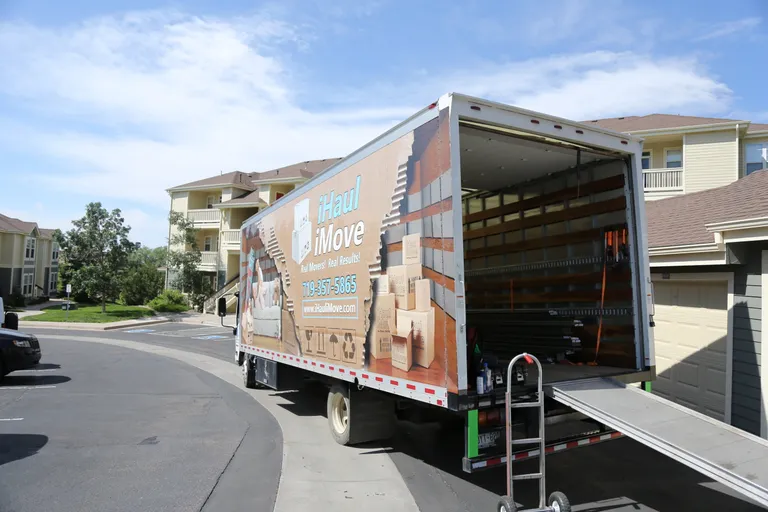
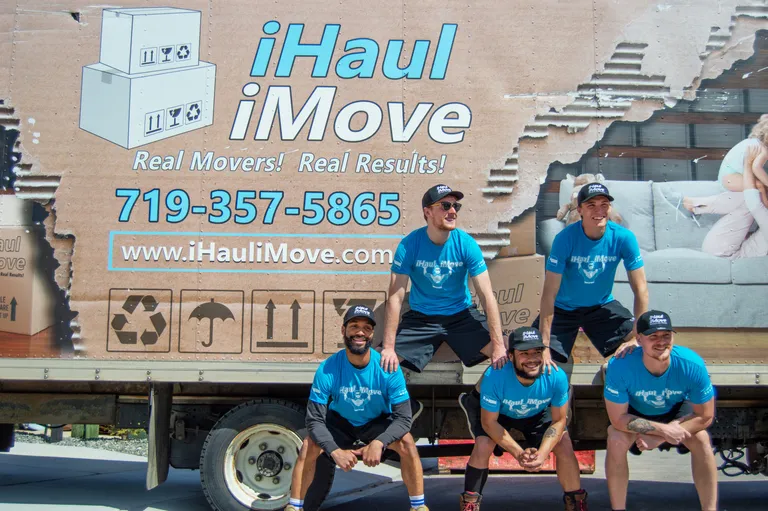
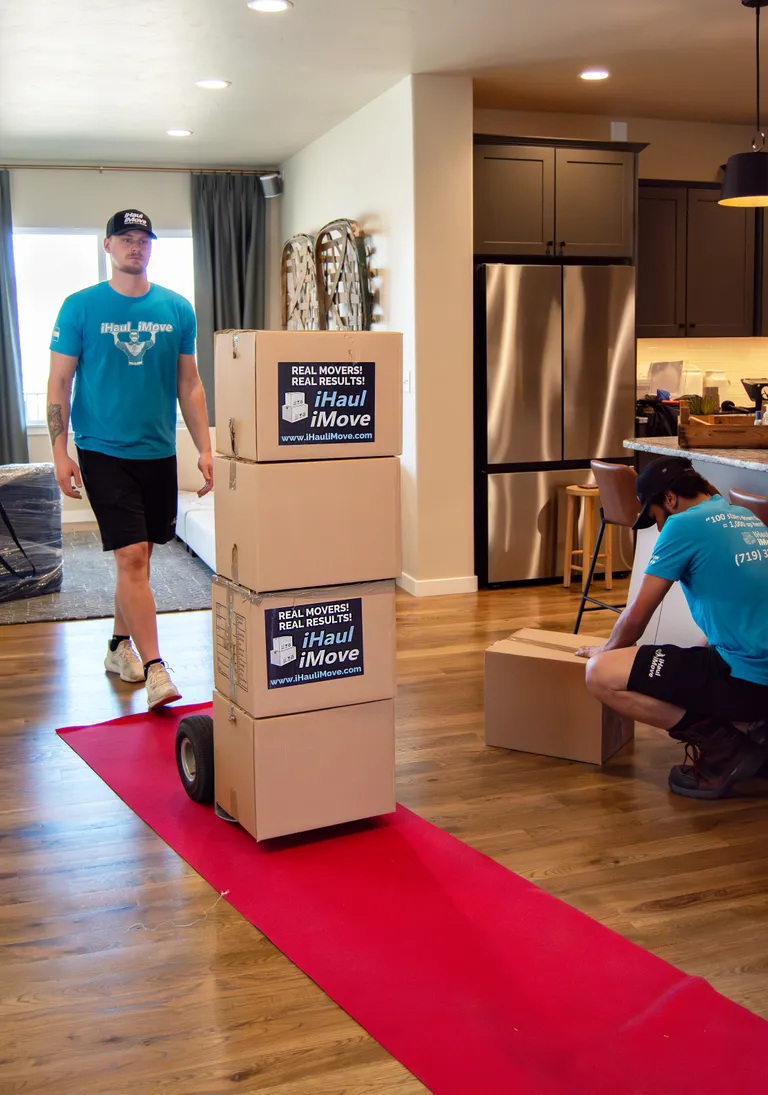
iHaul iMove crew in teal shirts gathered beside the company truckiHaul iMove mover rolling stacked boxes across a floor runneriHaul iMove box truck with its ramp lowered and a hand dolly waiting

Warehouse Moving FAQs

Another question? Call (719) 357-5865.

Should our inventory count happen before the first warehouse load?

Yes, zone by zone. Your team counts a zone, freezes picks from it, and hands us the count sheet. We move exactly what is on that sheet. At the new building, your team counts it again before put-away. The zones that have not moved stay open for orders.

How do we keep the receiving dock clear while pallets arrive?

Mark a staging lane for each incoming zone and keep it empty until that truck arrives. We unload into the lane, your team counts and puts away, and the lane clears before the next truck. If the new dock is shared with another tenant, book a longer window to allow for the count.

Can the crew use our pallet jacks between the dock and staging area?

Yes, for manual pallet jacks in good condition, on floors and dock plates your building confirms can take the load. We check each jack before using it. Electric jacks and any powered lift trucks stay with your trained operators, who set their own schedule around ours.

What happens if a pallet label or carton is damaged at receiving?

The pallet stays in the staging lane while your receiving lead checks it against the count sheet. We note where the damage was seen, and your team decides whether the stock is usable and how to record it. Nothing damaged is put away until your team says so.

Plan your business move

Tell us both addresses, the building rules you know about, and the dates you cannot move. We will send back a written plan and estimate.

Call (719) 357-5865

Open 24 hours a day

Call Now call 719-357-5865