Retail, Restaurant & Hospitality

Retail Store Moving in Colorado Springs

Gondola runs numbered to your fixture plan, merchandise boxed by SKU and bay, and the whole move timed to your landlord's tenant rules.

(719) 357-5865
Retail Store moving in Colorado Springs: moving crew at work
  • 18+ Years Experience
  • 1,013+ Reviews 5-Star Rated
  • Family Owned Local Business

Start your free retail store move quote

verified For estimate purposes only credit_card_off No credit card required

Planning a Retail Store Move

Your sales floor is really two inventories: the gondola runs, counters, and cases that hold the product, and the product itself, which your staff know by SKU. Both have to arrive in a shape your team can restock from on the first morning. We work from your planogram or fixture plan. Each gondola run gets a number that appears on the old floor, the new floor, and every part that comes off it: the base, the uprights, the backs, every shelf and bracket.

Merchandise travels in cartons your staff can read at a glance. Your team pulls and counts stock bay by bay; we pack or carry it with the SKU range and new bay written on two sides. Returns and vendor-owned displays stay on your list. Most shopping centers hand tenants written move rules from the property manager, and that packet sets the hours, the door, and the paperwork before we pick a date.

Who usually signs off
Store owner or operations manager, with a store manager confirming the merchandise count and floor plan
Timing that works
Between the last selling day at the old store and the landlord's turnover date at the new one, clear of the November and December holiday season, in the hours each center allows.

What typically moves

  • Gondola bases, uprights, and pegboard backs Each run is photographed and numbered before teardown; brackets and clips are bagged to the upright they came off.
  • Adjustable shelves, peg hooks, and price-channel strips Bundled by bay so the planogram can be rebuilt without a shared bucket of parts.
  • Endcaps and freestanding promotional tables Padded at the corners and tagged with their endcap position on the new fixture plan.
  • Locking glass showcases Emptied by your staff first. Glass shelves are wrapped separately and the store manager keeps the keys.
  • SKU-labeled merchandise cartons and backstock totes Marked with SKU range and destination bay. Mixed cartons carry a contents list written by your staff.
  • Cash wrap sections and queue fixtures Modular sections come apart and are rebuilt at the new checkout once the terminals are cleared.
  • Stockroom wire shelving Taken down after backstock is boxed, with its bay numbers carried over to the new stockroom.

Access and scheduling

Shopping centers usually control three things: the hours, the door, and the paperwork. The property manager or tenant coordinator decides whether work happens before opening or after close, which rear door or service corridor the crew uses, and what the carts may roll on through common areas. Most ask for our insurance certificate, listing the landlord and management company, before a dock is assigned. Ask both centers early; their rules rarely match.

Inside the store, your manager picks the last selling day and the order the floor comes down. We usually clear the stockroom and slow-selling bays first, then the front of house, so the doors stay open as long as you want. At the new store, fixtures go in before any merchandise, and the bays your staff restock first come off the truck first. If the new space is still in build-out, confirm the landlord has turned it over before the fixtures arrive.
Protection and handling

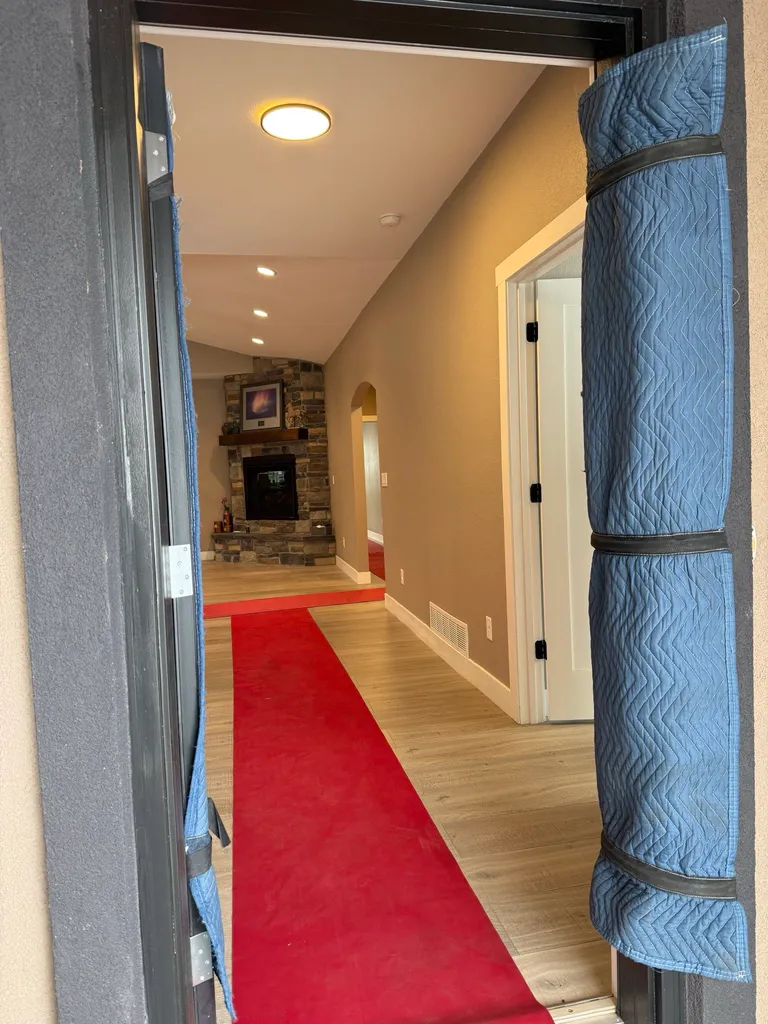
Gondola damage is usually cosmetic but easy to see: a scratched end panel, a bent shelf lip, a scuffed back panel under bright store lighting. Uprights and panels are wrapped and stood on edge, kept apart from loose shelving, and exposed metal ends are covered before they pass a finished wall or a neighbor's storefront, and runners cover the carpet in shared corridors.

Merchandise is packed heavy on the bottom and fragile on top, and cartons of glass or ceramics are marked so they ride above the floor load. High-value stock travels however your manager decides. At the new store we rebuild each run to its photo and check it sits level on the new floor. Shelf heights, facings, and signage are your merchandising team's call.

Who does what

Some of this job belongs to other trades. The written plan names each one.

Slatwall and anything bolted down
Your fixture installer removes and resets them where the lease allows. Some leases leave wall systems with the landlord.
Hard-wired sign, case, and track lighting
A licensed electrician disconnects and reconnects it. Our crew moves the fixture parts once the power is off.
POS terminals, scanners, and the store network
Your POS vendor or IT contact handles accounts, cabling, and activation. We carry the registers and receipt printers they have cleared.

Not part of our work

  • Counting, valuing, or reconciling merchandise, which stays with your store team.
  • Removing anything the lease says belongs to the landlord.
  • Electrical work on sign, case, or track lighting.

Around Colorado Springs and El Paso County

Retail in Colorado Springs runs from single storefronts on Tejon Street and in Old Colorado City to anchored centers along the Powers corridor, in Briargate, and at InterQuest, where the property manager sets rear-door hours for every tenant. The holiday season is the usual blackout for a store move. From November on, a Front Range snowstorm can push a move by a day, so we hold a backup date when we book.

The crew that shows up

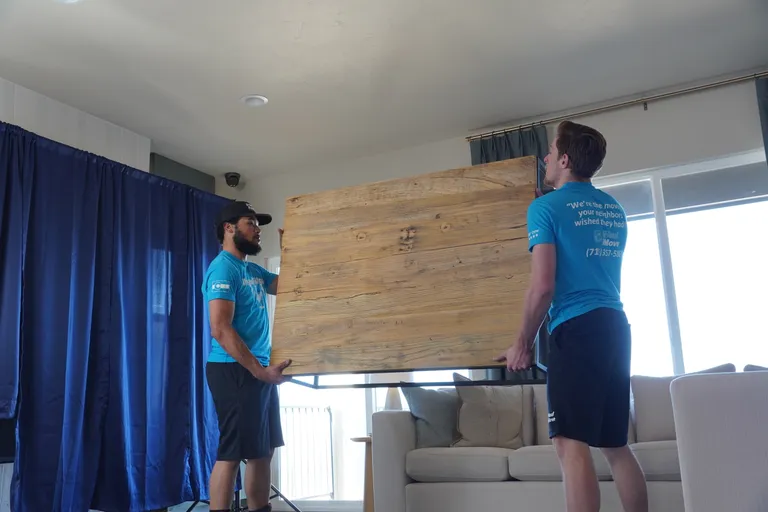
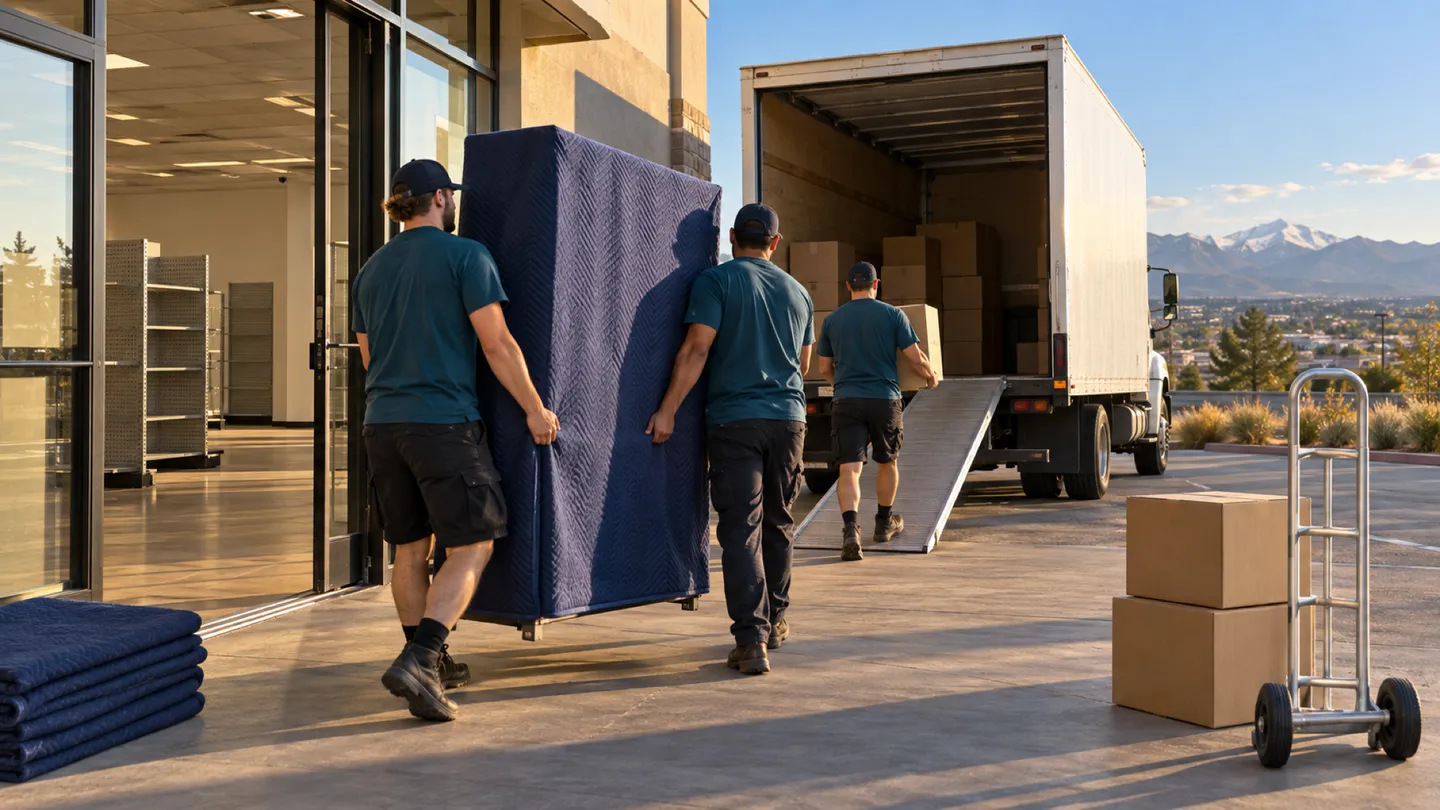
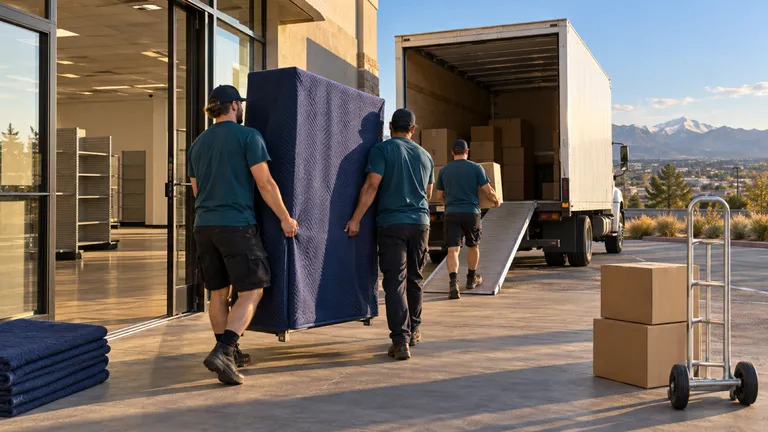
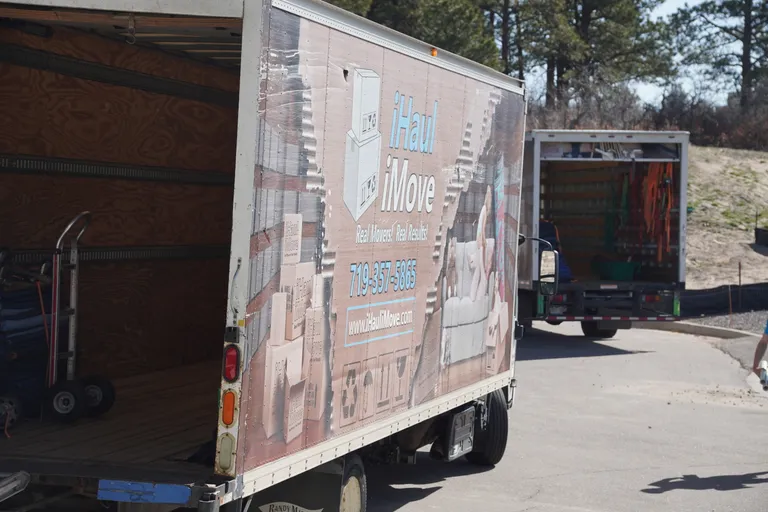
Padded door frame and a floor runner laid out before a moveTwo iHaul iMove box trucks backed in with their rear doors openTwo iHaul iMove movers raising a large wood tabletop together

Retail Store Moving FAQs

Another question? Call (719) 357-5865.

Can the store keep trading while you take down the back of the floor?

Usually. We start with the stockroom and slow-selling bays, box that stock, and take those runs down while the front of the store keeps selling. Your manager decides where the cutoff sits and which bays stay stocked until the final day. Your fastest-selling fixtures come down last and go up first.

Do your movers count our inventory as they pack it?

No. Your staff own the count and any reconciliation against your inventory system. We pack from the SKU list and bay assignments they give us and write the SKU range and destination bay on each carton. If a carton holds mixed stock, your team writes its contents list, and a manager signs off on those cartons before loading.

Our new lease says the slatwall stays with the landlord. What changes?

The wall system stays where it is, and so does anything else the lease puts in the same category, such as fitting-room walls or built-in counters. Check the lease for those items before teardown. We move the freestanding fixtures plus the hooks, shelves, and faceouts your store owns, and your fixture installer sets any new wall system at the new location.

What should we get from each property manager before booking a date?

Ask both centers for their written tenant move rules: permitted hours, which door and corridor to use, cart and floor-protection requirements, how to reserve the dock or curb, and the wording for the insurance certificate. Send us both packets. The schedule we propose will fit whichever center is stricter.

Plan your business move

Tell us both addresses, the building rules you know about, and the dates you cannot move. We will send back a written plan and estimate.

Call (719) 357-5865

Open 24 hours a day

Call Now call 719-357-5865