Education, Civic & Community

Trade School Moving in Colorado Springs

Benches, tool cribs, and course kits moved by program and station, while the machine mover, electrician, and lift installer handle the shop floor.

(719) 357-5865
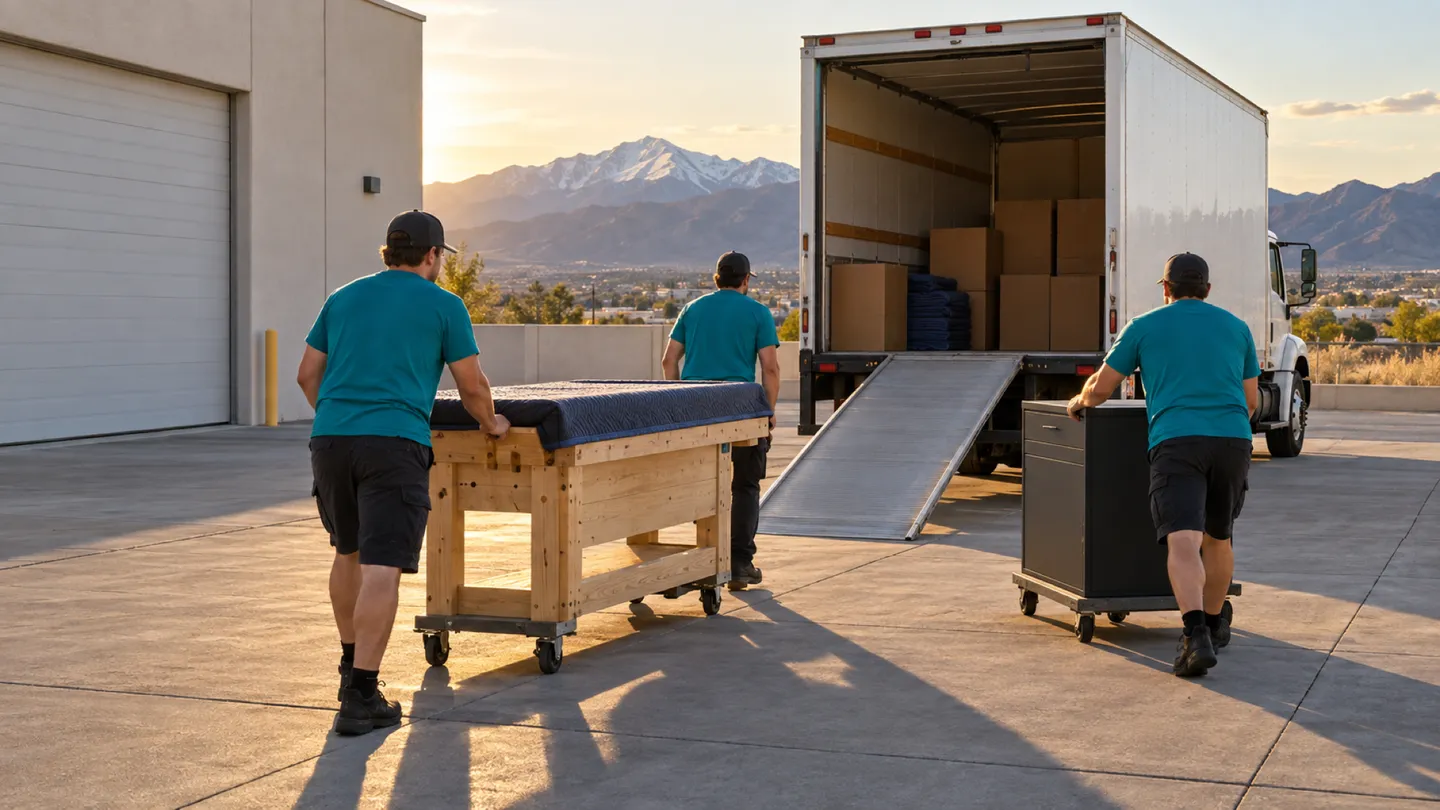
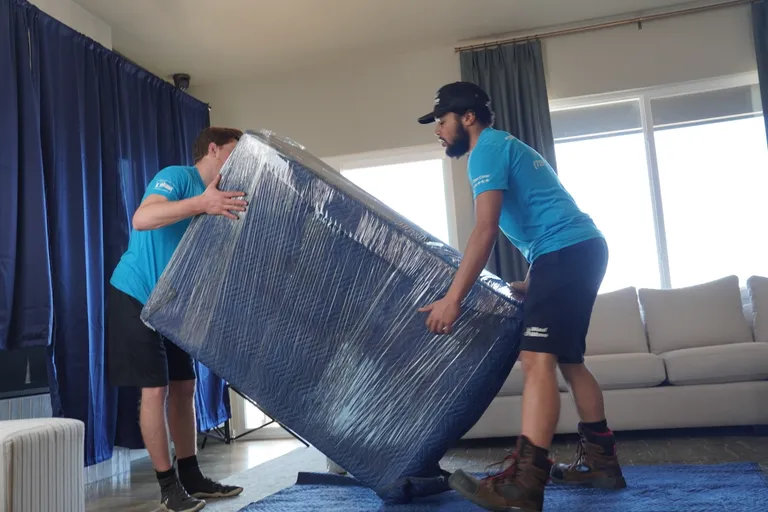
Trade School moving in Colorado Springs: moving crew at work
  • 18+ Years Experience
  • 1,013+ Reviews 5-Star Rated
  • Family Owned Local Business

Start your free trade school move quote

verified For estimate purposes only credit_card_off No credit card required

Planning a Trade School Move

A trade school move is two moves sharing a truck schedule. One is the shop floor: lathes, mills, welders, vehicle lifts, spray booths, and anything else bolted down, wired, or plumbed for air. That belongs to the school's machine mover and licensed trades, and it sets the pace. The other is everything around it: workbenches, rolling tool cabinets, tool-crib shelving, training boards on stands, classroom tables, and the program office. That is our crew's work, and it has to arrive after the machines are set and before instructors need their stations.

Each program keeps its own calendar. Welding may finish a cohort while automotive or HVAC students are mid-module, so the plan runs program by program, with each instructor releasing their stations and signing off on a station map for the new shop. Tool cribs are counted by the instructor, not the crew, because that inventory is how the school tracks what students check out. Every bench, cabinet, and tote carries its program and station number.

Who usually signs off
School director or facilities lead, with each program instructor approving the station inventory and release order
Timing that works
Term breaks between cohorts, set program by program, because the machine mover and electricians must finish the shop floor before benches and tool cribs go back in.

What typically moves

  • Steel and wood workbenches Cleared by students and instructors, then corner-padded and tagged with program and station.
  • Rolling tool cabinets and tool-crib shelving Drawers are locked or taped, tool counts stay with the instructor, and the crib shelving follows its program.
  • Welding tables and portable welding screens Freestanding tables and screens move once the booth's fixed extraction arm and power are released.
  • Electrical and HVAC training boards on stands Unplugged and released by the instructor; small leads and fittings ride in labeled totes.
  • Engines and components on rolling stands Drained and released by the automotive instructor before the crew rolls them aboard.
  • Classroom tables and demonstration carts Grouped by course and receiving classroom, with current lesson materials held back as directed.
  • Safety-glasses cabinets and PPE lockers Freestanding units move empty; wall-mounted eyewash and first-aid stations stay with facilities.

Access and scheduling

The shop floor dictates the order. The machine mover needs open space around each machine to take it out, and the receiving shop needs machines set, anchored, and wired before benches go in around them. So benches and tool cribs usually leave first and arrive last. Ask each instructor for the date their program releases its stations, and share the machine mover's schedule with us.

Shop buildings raise their own access questions: an overhead door or a standard dock, threshold ramps, clearance for tall crib shelving, and a place to stage benches without blocking an exit or the machine mover's path. Classes still running need their doors and student routes kept open. The owner of a leased shop may also require our Certificate of Insurance. The crew can load on evenings or Saturdays, on request, when both buildings permit.
Protection and handling

Shop furniture is heavy and edged. Bench corners get padding, tool-cabinet drawers are locked or taped, and casters are checked before a cabinet rolls up a ramp. Sharp stock, blades, and loose metal are packed apart from finished student projects, in totes marked with course and station. Oily or dusty benches are wrapped so they do not mark the truck or the new floor.

Nothing that holds fluid, fuel, compressed gas, or power moves until someone qualified releases it. Welding gas cylinders go with the school's gas supplier, and instructors drain engines and training units before the crew handles them. At the new shop, benches and cabinets go to the station map, and each instructor checks their tool crib against their own inventory before students return. In the program office, the crew disconnects and reconnects computers and printers, and network setup stays with whoever runs IT for the school.

Who does what

Some of this job belongs to other trades. The written plan names each one.

Lathes, mills, welders, spray booths, and other heavy shop machines
The school's machine mover handles them, including any rigging or forklift work, and sets them at the new shop. Our crew moves the benches and contents around them.
Vehicle lifts, fume extraction, and compressed-air drops
The lift installer and licensed trades remove, reinstall, and test anchored or plumbed equipment. We move freestanding pieces after release.
Welding gas cylinders
The school's gas supplier removes and delivers the cylinders. The moving crew does not carry compressed gas.
Tool inventories and student projects
Instructors count tools and decide which projects travel. We follow their labels and station map.

Not part of our work

  • Rigging, forklift handling, or anchoring shop machines and vehicle lifts.
  • Disconnecting power, air, or gas at any machine or booth; licensed trades handle those connections.

Around Colorado Springs and El Paso County

Trade and technical programs around Colorado Springs often occupy flex and light-industrial buildings on the east side along Marksheffel Road and near the airport, or off North Nevada Avenue, and some run on college or high-school career campuses. Those buildings usually have overhead doors and room for a truck, which helps, but a move between two of them still waits on the machine mover's calendar.

The crew that shows up

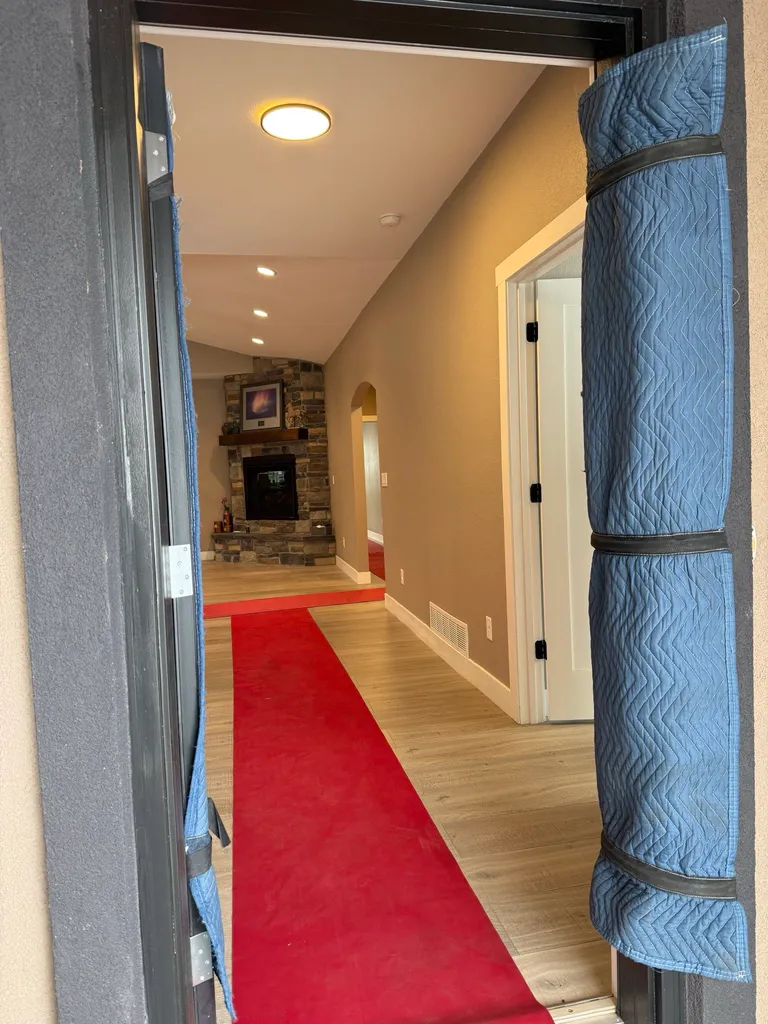
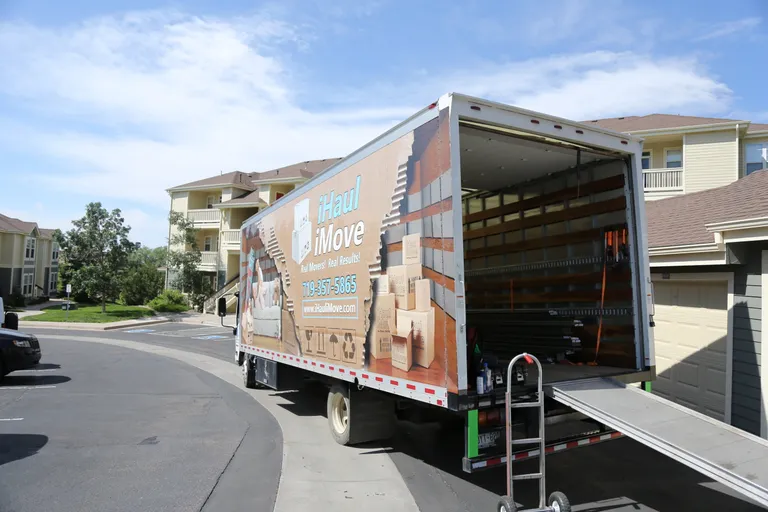
iHaul iMove box truck with its ramp lowered and a hand dolly waitingTwo iHaul iMove movers carrying a stretch-wrapped piece of furniturePadded door frame and a floor runner laid out before a move

Trade School Moving FAQs

Another question? Call (719) 357-5865.

Do you move our lathes, welders, and vehicle lifts?

No. Heavy shop machines and anchored lifts belong to a machine mover and licensed trades, who disconnect, remove, set, anchor, and test them. We plan our bench and tool-crib loads around their schedule so the shop floor is ready before stations return. Give both teams the same station map and one facilities contact.

How do we keep tool cribs accurate through a move?

Instructors count each crib before it closes and again when it reopens, using the school's own inventory. We move the crib shelving and sealed totes by program and station without sorting tools, and locked or taped drawers keep the count intact. If a tote arrives damaged, the instructor has the list to check it against.

Our welding cohort ends before automotive does. Can we move in stages?

Yes. Each program gets its own release date and loading route. We clear a finished program's benches, cribs, and kits first and hold the rest until that instructor releases them, keeping open the doors and paths used by classes still in session. The machine mover's stages usually follow the same program order.

What should instructors do with engines and training units before the move?

Drain fluids, cap open fittings, and unplug or de-energize anything that runs, then tell us which units are released. Instructors also decide which student projects travel and pack any loose or sharp parts. We roll released units on their stands and place them to the station map; anything still holding fluid or wired in stays put.

Plan your business move

Tell us both addresses, the building rules you know about, and the dates you cannot move. We will send back a written plan and estimate.

Call (719) 357-5865

Open 24 hours a day

Call Now call 719-357-5865