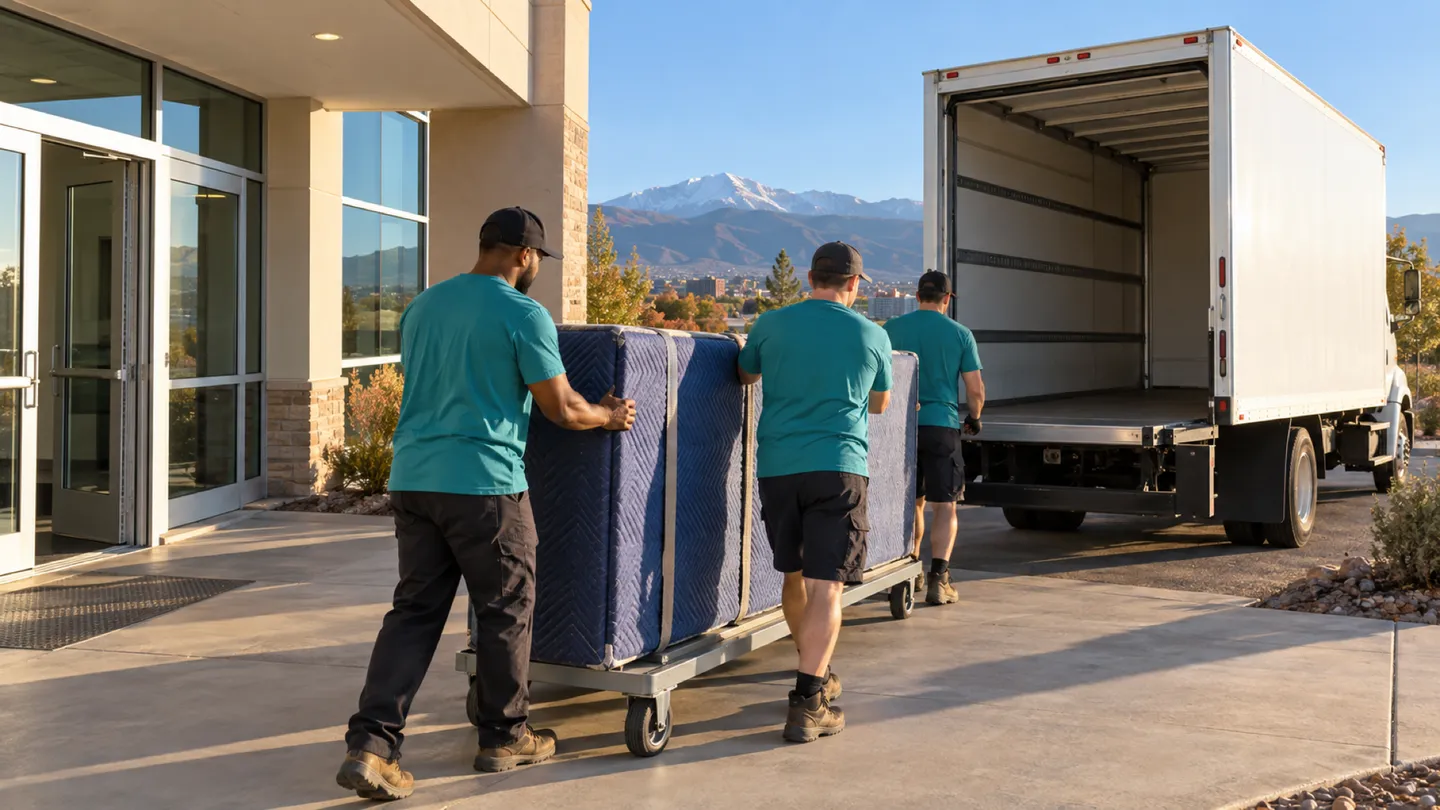
Healthcare & Medical

Medical Lab Moving in Colorado Springs

The lab keeps its specimens and reagents, vendors take the analyzers, a certifier signs off the biosafety cabinet, and our crew moves the benches and casework.

(719) 357-5865
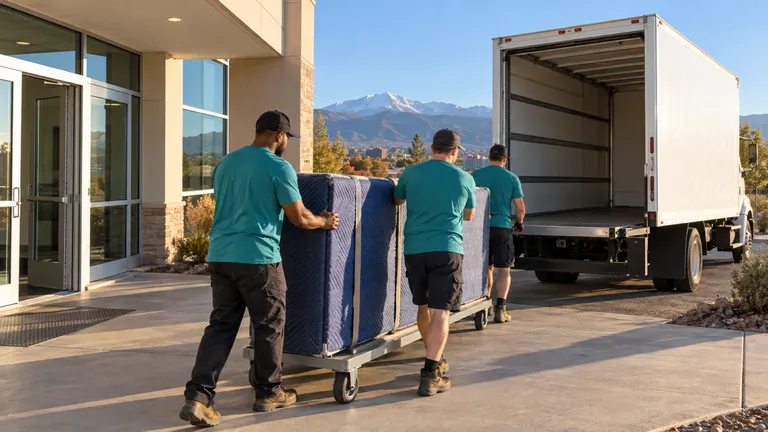
Medical Lab moving in Colorado Springs: moving crew at work
  • 18+ Years Experience
  • 1,013+ Reviews 5-Star Rated
  • Family Owned Local Business

Start your free medical lab move quote

verified For estimate purposes only credit_card_off No credit card required

Planning a Medical Lab Move

A clinical laboratory does not reopen when the last bench is set. It reopens when the lab director is satisfied that every instrument at the new address produces results the lab can report, and that sign-off belongs to the lab and its vendors. Chemistry and hematology analyzers are prepared and reinstalled by their service engineers. A biosafety cabinet that has been moved needs recertification before anyone works in it.

Everything around those instruments is ours to plan: the benches, often with heavy epoxy-resin tops; mobile and base casework; the specimen-receiving counter; phlebotomy chairs from the draw stations; supply shelving; and refrigerators and freezers once your staff have emptied them. We build our schedule into the gap between vendor teardown and vendor setup, so the benches an analyzer will sit on are level and in position before its engineer arrives. Specimens, reagents, controls, and anything that must stay cold never go on our truck. Your lab moves them under its own procedures.

Who usually signs off
Laboratory director or lab manager, with facilities, the analyzer vendors, and the biosafety cabinet certifier on one schedule
Timing that works
Testing stops only after the last specimens are processed or rerouted, and restarts when the lab has verified its instruments at the new address, so the furniture move fits between vendor teardown and vendor setup.

What typically moves

  • Epoxy-resin and phenolic-top lab benches Tops and bases are separated when the bench is built that way, and resin tops ride on edge in padding on a cart sized for their weight.
  • Mobile and base lab casework Drawers emptied and taped, shelf clips bagged per cabinet, and each unit tagged to its position on the new lab layout.
  • Phlebotomy draw chairs and draw-station carts Armrests locked or removed as the chair's design allows; carts go to the draw rooms first if the patient service area reopens ahead of testing.
  • Emptied laboratory refrigerators and freezers Carried upright unless the manufacturer allows otherwise, doors strapped, and set where your staff can let them stand before plugging in, per the manual.
  • Specimen-receiving counter and accessioning desks Freestanding sections move once barcode printers and scanners are unplugged; built-in counters stay with the building.
  • Supply and consumables shelving Tubes, pipette tips, and slide stock are boxed by shelf and labeled for the supply room, apart from anything your staff treat as regulated.

Access and scheduling

Labs in Colorado Springs tend to sit in medical office buildings, where the loading dock or service door is shared with other practices and the freight elevator is booked by the hour. Epoxy tops and full-size refrigerators decide which elevator works, so we measure the cab, the doors, and the corridor turns into the lab at both addresses. If the building limits heavy loads to after-hours use, we plan an evening or weekend slot around that rule.

The order of work usually runs like this. Your staff finish or reroute testing and clear refrigerators. Vendors decommission their instruments. We move benches and casework, then refrigerators, leaving marked floor space where each analyzer goes. Vendors reinstall, the certifier tests the biosafety cabinet, and the lab verifies before resuming.
Protection and handling

Lab furniture is heavier than it looks and less forgiving. A chipped resin top cannot be patched on site, so tops are padded on every edge and never stacked flat. Casework keeps its adjustable feet attached, and we set units on the new floor for your facilities team to level before instruments go on top. Refrigerators are strapped closed and kept upright on the truck.

Nothing that holds a specimen, a reagent, or a sample travels with our loads, and emptied units are handed to us only after your staff have cleaned them under the lab's procedures. Our crew moves the keyboards, monitors, and label printers at accessioning benches, reconnecting them at their new stations; the lab information system, instrument interfaces, and network are the IT team's.

Who does what

Some of this job belongs to other trades. The written plan names each one.

Chemistry, hematology, and other clinical analyzers; centrifuges
Their service engineers decommission, move or supervise the move, reinstall, and calibrate them. The lab runs its own verification before reporting results.
Biosafety cabinets and fume hoods
Relocation triggers a biosafety cabinet recertification by a qualified certifier. Hoods tied into building exhaust stay for the mechanical contractor.
Bench sinks, eyewash stations, and gas outlets
Licensed plumbers and the gas supplier disconnect and reconnect them. CO2 and other cylinders are swapped or moved by the gas supplier.

Not part of our work

  • Transporting specimens, reagents, controls, or anything else that must be kept cold.
  • Calibrating, verifying, or certifying any instrument or cabinet.

Around Colorado Springs and El Paso County

Clinical labs and patient service centers around Colorado Springs cluster in office buildings around Penrose on North Nevada Avenue and near UCHealth Memorial Central, and in newer buildings off Powers Boulevard and near Briargate. Those buildings run shared docks and elevator bookings, which set our window. A lab consolidating with a Denver Tech Center or Northern Colorado site faces a longer I-25 day, so bench runs are loaded to come off in installation order.

The crew that shows up

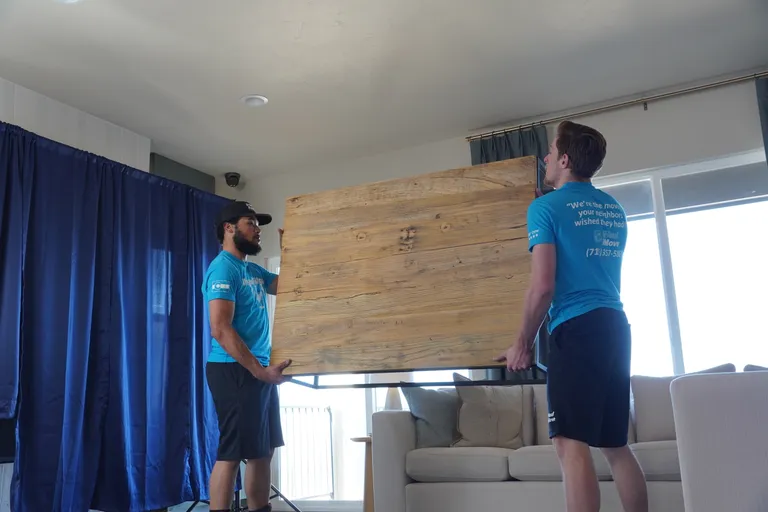
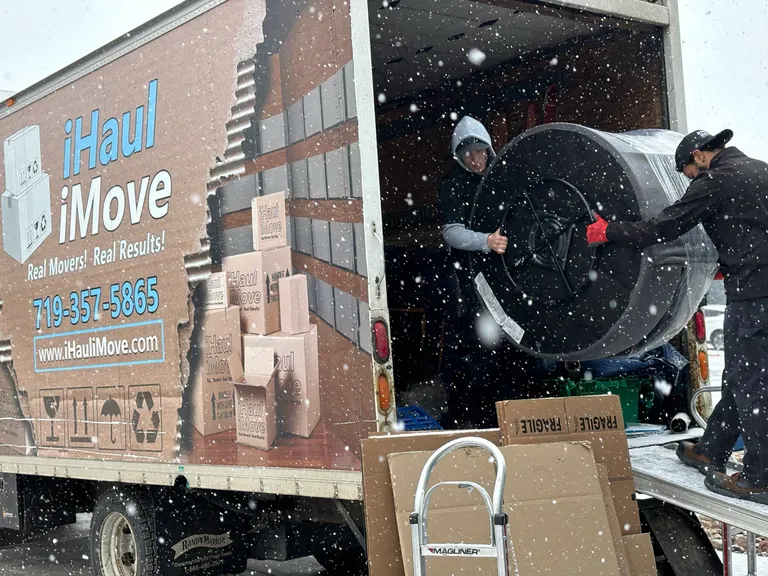
Two iHaul iMove movers raising a large wood tabletop togetheriHaul iMove crew loading a padded item into the truck as snow fallsiHaul iMove crew in teal shirts gathered beside the company truck

Medical Lab Moving FAQs

Another question? Call (719) 357-5865.

Can you move our analyzers if the vendor is booked out?

We ask you not to plan it that way. Analyzers are calibrated instruments, and their service terms usually expect the manufacturer's engineer to decommission and reinstall them. What we can do is move everything around them on the vendor's schedule, so the benches and power locations are ready the day the engineer arrives and no instrument sits waiting for furniture.

Does a biosafety cabinet really need recertifying after a short move?

Yes. Moving a cabinet can disturb its filters, seals, and airflow. Book your certifier for the day after the cabinet is set in place. Our crew moves it only after your staff have decontaminated it and the certifier or manufacturer has said how it should travel.

How long should our lab refrigerators stand before we plug them in?

Use the number in each unit's manual, since it varies by model and by how the unit traveled. We keep refrigerators and freezers upright on the truck to shorten that wait, and we place them first on delivery day so the clock starts while the rest of the lab is still coming off the truck.

Our patient draw stations need to reopen before testing does. Can the move be split?

Yes. Draw chairs, the check-in desk, and the supply carts for the patient service area can come off the first load, with benches and casework following. That lets your phlebotomists see patients and send specimens to another site while your lab finishes vendor setup and verification at the new location.

Plan your business move

Tell us both addresses, the building rules you know about, and the dates you cannot move. We will send back a written plan and estimate.

Call (719) 357-5865

Open 24 hours a day

Call Now call 719-357-5865