Retail, Restaurant & Hospitality

Restaurant Moving in Colorado Springs

Licensed trades take the cooking line and refrigeration out of service, walk-ins stay put, and our crew moves the dining room, bar, and smallwares.

(719) 357-5865
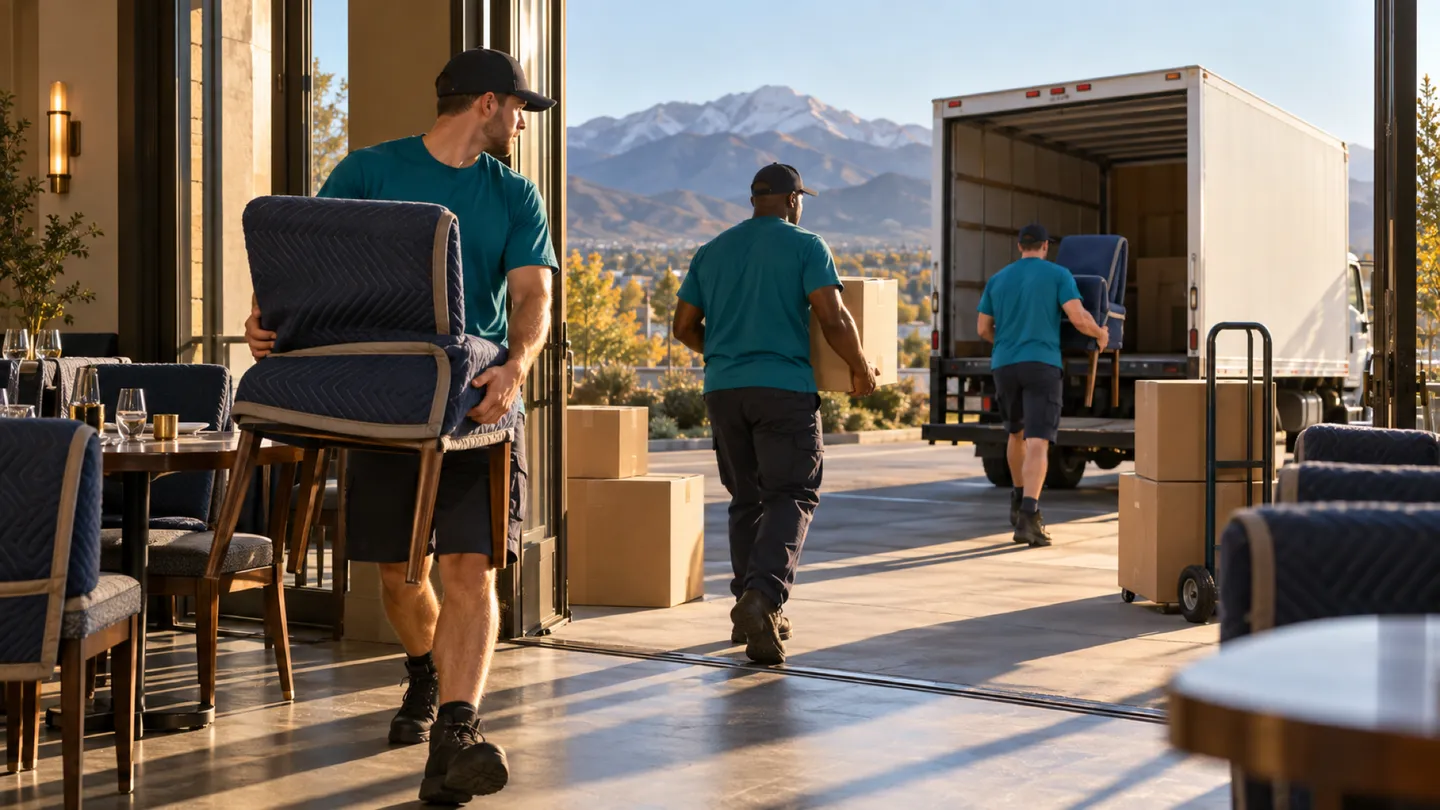
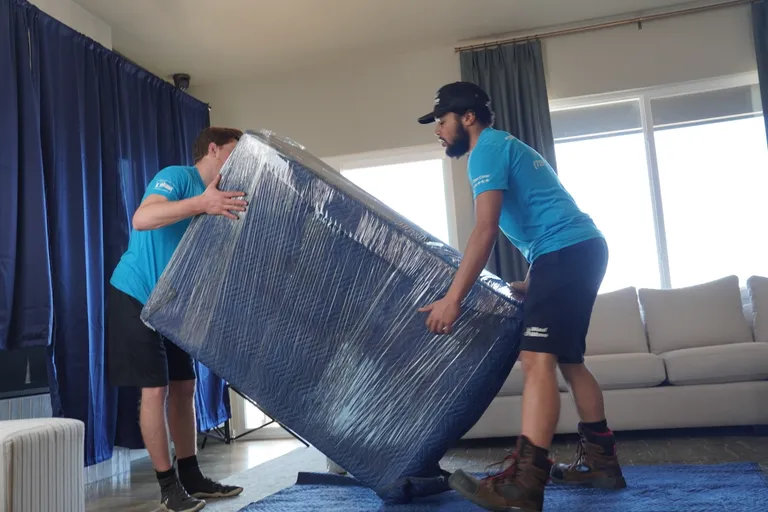
Restaurant moving in Colorado Springs: moving crew at work
  • 18+ Years Experience
  • 1,013+ Reviews 5-Star Rated
  • Family Owned Local Business

Start your free restaurant move quote

verified For estimate purposes only credit_card_off No credit card required

Planning a Restaurant Move

Most of what makes a restaurant run is equipment our crew never touches first. The range, fryers, and charbroiler sit under a hood with a fire-suppression system. Reach-ins and the ice machine have their own service connections, and the walk-in cooler is a room assembled on site, not an appliance. A licensed fitter, your refrigeration contractor, and your fire-protection company each take their piece out of service before anything is lifted.

Our crew handles everything else: loose dining tables and chairs, the host stand, bar stools, freestanding stainless worktables, dry storage shelving, and the smallwares that make the line cookable. We walk both spaces with your general manager and chef and split the inventory into three lists: what we carry, what a trade must clear first, and what stays with the building. The bar manager keeps a fourth list for bottles and kegs, because alcohol travels under the licensee's control. Each carton is marked with a station from the new kitchen plan, so the sauté cook opens the sauté boxes.

Who usually signs off
Restaurant owner or general manager, with the chef and bar manager approving the room and inventory plan
Timing that works
Last service at the old address, then the trade appointments, then the county health inspection at the new kitchen; dining furniture can follow after a closing shift on request.

What typically moves

  • Loose dining tables, chairs, and banquettes Grouped by dining section. Booths fastened to a wall or floor stay put unless your landlord and contractor say they come out.
  • Host stand, server stations, and bus carts Emptied, padded, and tagged to the service point each one anchors on the new floor plan.
  • Freestanding stainless worktables Undershelves come off and are bagged to their table; the chef marks each table's spot on the line.
  • Hotel pans, sheet pans, sauté pans, and stockpots Nested by size and boxed by station. Knives go in closed containers the chef packs and labels.
  • Dry storage shelving and ingredient bins Shelves are labeled by bay; the kitchen decides which sealed goods ride and which get used up first.
  • Bar stools, back-bar cabinets, and glass racks Glassware rides in divided cartons. Cabinets travel empty once the bar manager has pulled every bottle.
  • Back-office desk, printer, and point-of-sale stands We unplug, pad, and reconnect the office computer and printer. Your point-of-sale provider sets up terminals and accounts.

Access and scheduling

Service sets the clock. Choose the last service at the old address, then book the trades for both ends. El Paso County Public Health inspects a new food establishment before it opens, so that inspection date usually decides when smallwares and dry goods go in. The dining room can wait until the kitchen has passed.

Loading is almost always through the back. Downtown kitchens near Tejon Street tend to share an alley with neighbors' delivery trucks and dumpsters, while a pad site on the Powers corridor or in Briargate may open onto a shared lot. We ask the landlord where a truck may stand, and when, and whether they need our insurance certificate on file first. If you would rather not lose a service, the crew can start after the last seating or on a day you are closed, on request.
Protection and handling

Grease is the hazard people forget. Kitchen tile and dock ramps stay slick after a deep clean, so the crew lays runners and rolls stainless on dollies instead of hand-carrying it across the floor. Chair backs, booth corners, and tabletops are padded, and dining sets ride grouped by section so the room can be set from the front door back.

Smallwares are boxed by station, never by type. A cooler, fryer, or range joins the load only after the trade that took it out of service tells your manager it is ready, and then we carry it the way the equipment vendor says to. Frozen, chilled, and perishable food stays on your food-safety plan, in your vehicles or your supplier's.

Who does what

Some of this job belongs to other trades. The written plan names each one.

Gas ranges, fryers, and charbroilers
A licensed gas fitter shuts off and caps the gas lines, then reconnects and leak-tests at the new kitchen. We move a unit after that, on the vendor's instructions.
Hood and fire-suppression system
Your fire-protection contractor handles the suppression system tied to the cooking line, at both addresses.
Walk-in cooler and freezer, reach-ins, and ice machine
The refrigeration contractor disconnects refrigerated equipment and decides whether a walk-in box is reused or left with the building.
Beer, wine, and liquor
The liquor licensee counts and transports the stock and handles moving the license to the new premises with the licensing authorities.

Not part of our work

  • Any gas, refrigerant, water, or hard-wired electrical disconnect or reconnect.
  • Dismantling a walk-in box, whether cooler or freezer.
  • Transporting alcohol, perishable food, or frozen stock.

Around Colorado Springs and El Paso County

Colorado Springs restaurants range from downtown storefronts on Tejon Street with alley-only loading, to Old Colorado City spaces where the truck parks on the street, to pad sites along the Powers corridor and in Briargate where the back door faces a common lot. Where the truck can stand, and for how long, shapes the whole day.

The crew that shows up

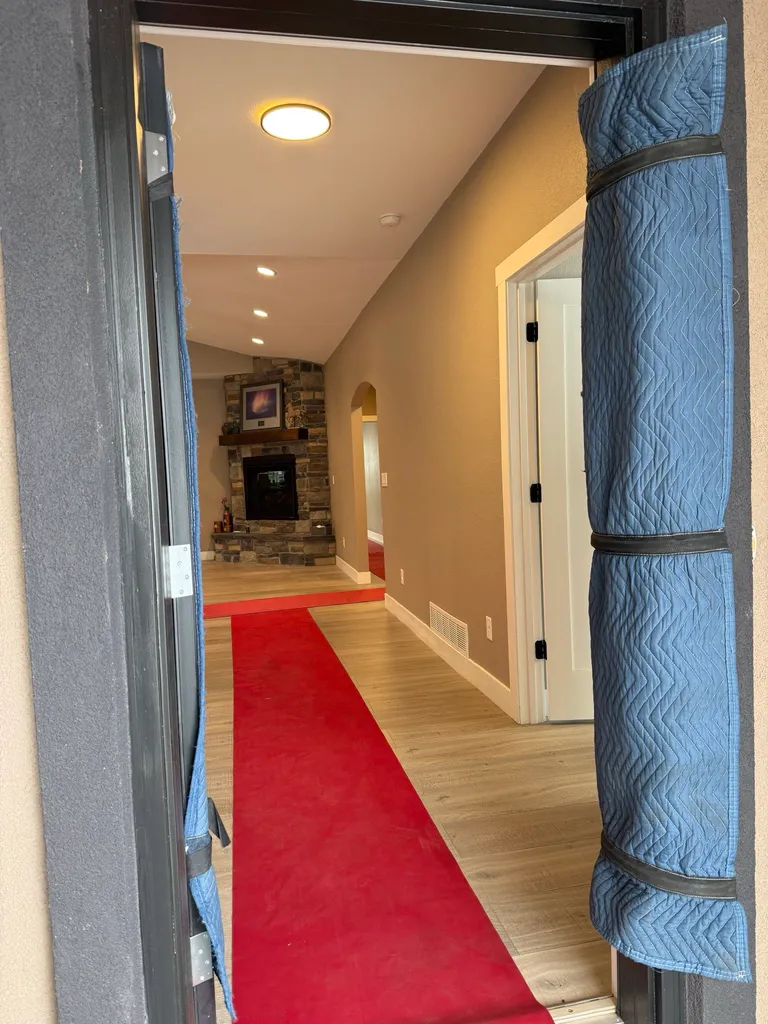
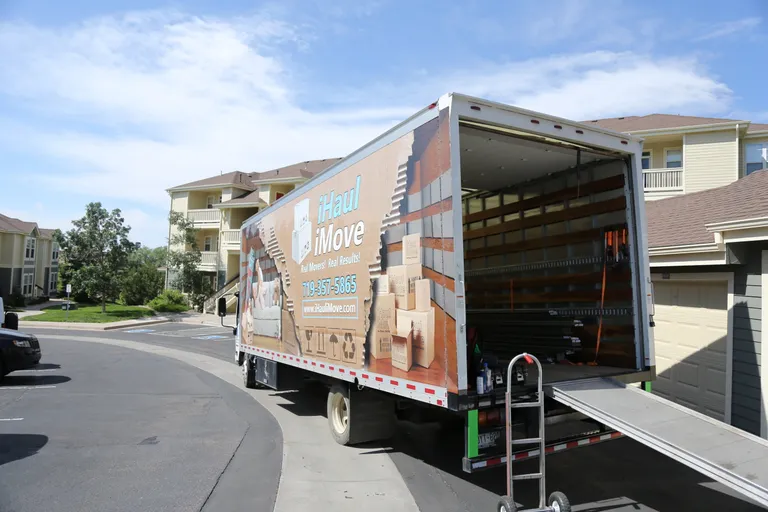
iHaul iMove box truck with its ramp lowered and a hand dolly waitingTwo iHaul iMove movers carrying a stretch-wrapped piece of furniturePadded door frame and a floor runner laid out before a move

Restaurant Moving FAQs

Another question? Call (719) 357-5865.

Does the walk-in cooler go on the restaurant moving truck?

No. A walk-in is a room of insulated panels assembled on site, and it usually belongs in the lease discussion. Your refrigeration contractor decides whether the box can be reused and plans the new one. We can move emptied freestanding shelving from inside it, and your team keeps cold food on its own food-safety plan during the gap.

When can the cooking line be added to the load?

After your gas fitter and refrigeration contractor have taken each piece out of service and the equipment vendor has said how it should travel. Keep a written list of which units the vendor moves, which our crew carries, and which stay behind. Anything still connected stays off the truck.

Who handles the bottles and beer stock behind the bar?

Your liquor licensee. A liquor license is tied to the premises, so the licensee also handles its move with the licensing authorities. The bar manager pulls and counts the stock before our packing starts. We pack glassware, shakers, and bar tools, then move the empty stools and back-bar cabinets.

How should we label smallwares for the new kitchen?

Ask the chef to name each station on the new kitchen plan, such as prep, line, pastry, dish, and dry storage. We box pans and utensils by the station that uses them and write that station on two sides of each carton. The tools needed for the first prep shift ride last so they come off first.

Plan your business move

Tell us both addresses, the building rules you know about, and the dates you cannot move. We will send back a written plan and estimate.

Call (719) 357-5865

Open 24 hours a day

Call Now call 719-357-5865