Retail, Restaurant & Hospitality

Bar and Brewery Moving in Colorado Springs

Your installer moves the brewhouse, glycol, and draft lines, your licensee handles every full keg, and our crew moves the taproom and its back-bar.

(719) 357-5865
Bar & Brewery moving in Colorado Springs: moving crew at work
  • 18+ Years Experience
  • 1,013+ Reviews 5-Star Rated
  • Family Owned Local Business

Start your free bar & brewery move quote

verified For estimate purposes only credit_card_off No credit card required

Planning a Bar & Brewery Move

Breweries are really two moves sharing a truck dock. The production side, from mash tun and kettle to fermenters, brite tanks, the glycol chiller and its lines, and the draft system feeding the taps, is a connected system that your brewhouse installer takes apart, moves, and puts back. The taproom is furniture and fixtures, and that is where our crew works.

The taproom list is longer than it looks: communal tables and benches, bar stools, freestanding back-bar cabinets and plug-in coolers, keg racks, merchandise walls, crowler and growler stock, glassware by the hundred, and the office. We also move empty kegs once your brewer has checked they are empty, because full kegs are alcohol inventory and stay with the licensee. The licensee also handles the license side of the move, since both the federal brewer's notice and the Colorado license are tied to the premises. Our job is to keep taproom loads out of the installer's way and have the room ready when the taps are back on.

Who usually signs off
Brewery owner or taproom general manager, with the brewer and liquor licensee approving their respective lists
Timing that works
After the last pour at the old taproom and once the licensee's premises paperwork is sorted; the taproom load fits around the installer's brewhouse schedule, after closing time or over a weekend, on request.

What typically moves

  • Communal tables, benches, and bar stools Tagged to the new taproom plan. Heavy slab tabletops come off their bases and ride on edge in blankets.
  • Freestanding back-bar cabinets and plug-in coolers Emptied by the bar team, doors taped, carried upright. Anything tied into the draft system waits for the installer.
  • Empty kegs and keg racks Checked empty by the brewer, grouped by size, and set in the cold-room area the brewer marks.
  • Pint, taster, and specialty glassware Packed in divided cartons by station; flight paddles and bar tools ride in separate boxes.
  • Merchandise walls and retail displays Shirts, hats, and glass merch boxed by shelf; slatwall that is screwed to the wall stays unless the lease says otherwise.
  • Sealed sacks of malt and dry brewing supplies Moved on dollies to the brewer's storage area. Hops and yeast stay on the brewer's cold plan.
  • Brewery office and taproom point-of-sale stands Office computers and printers are unplugged and reconnected by our crew; your payment provider handles terminals.

Access and scheduling

The installer's schedule comes first, and it tends to be long. Tanks and the chiller often leave through a roll-up door on their own day. We plan taproom loads for the days the dock is free, and we keep glassware and stools staged away from the production floor so installers are never working around cartons.

Taprooms downtown and in Old Colorado City usually load from the street or a shared alley, while production breweries on the east side often sit in flex units with a roll-up door and a shared lot. Before the date, confirm who can open each building, when the landlord allows trucks, and what proof of insurance the property expects from us before move day. If the old taproom keeps pouring through the changeover, we can move the back office and spare seating first and the bar last.
Protection and handling

A taproom's weak points are glass and heavy tops. Glassware rides in divided cartons, never loose in tubs. Slab tables come apart from their bases, the tops travel on edge in blankets, and hardware is bagged to each base. Back-bar cabinets and coolers are padded at the corners and strapped upright.

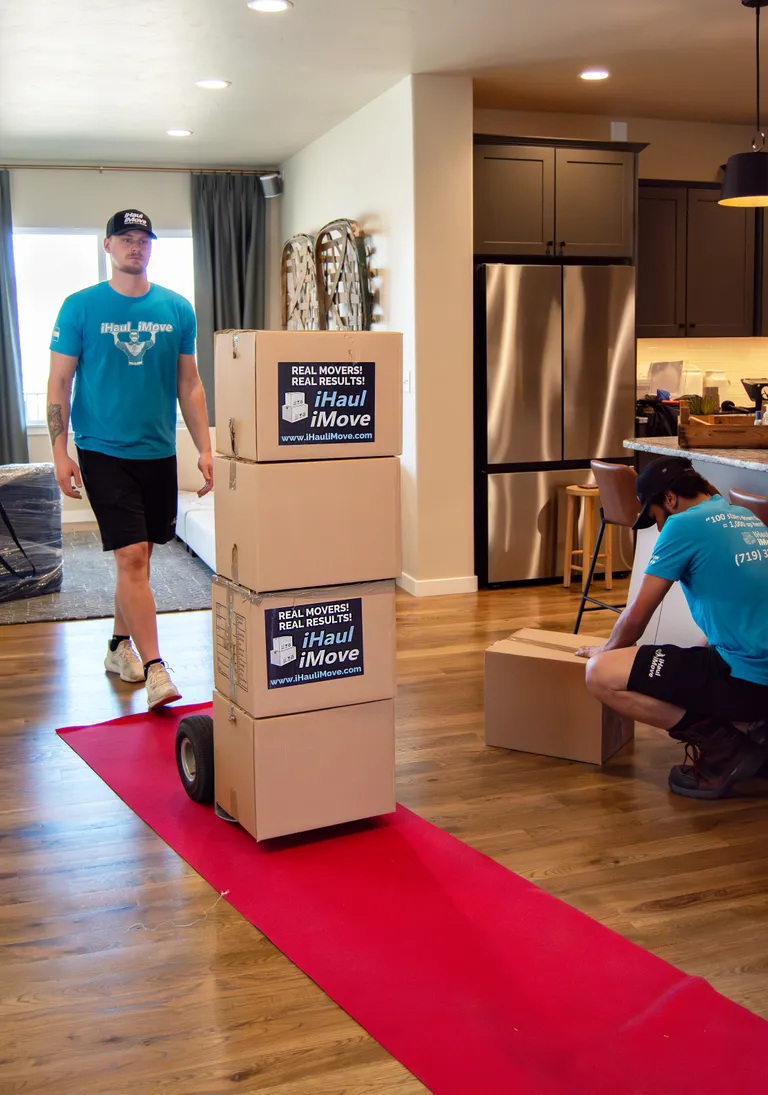
Empty kegs still carry pressure risk if they have not been vented, so the brewer confirms each keg is empty and depressurized before our crew handles it. Taproom floors are often sealed concrete that shows every scrape, and we lay runners wherever loaded carts turn or cross a threshold. On arrival, the manager points out where each station goes, and the installer and licensee finish their own work before the first pour.

Who does what

Some of this job belongs to other trades. The written plan names each one.

Brewhouse, fermenters, brite tanks, glycol chiller, and draft lines
Your brewery equipment installer disconnects, moves, reinstalls, and tests the production and draft systems, with their own riggers where tanks need them.
Full kegs, cans, bottles, and spirits
The licensee counts and transports all alcohol, and handles the federal and state license changes for the new premises.
Walk-in cold room
Your refrigeration contractor decides whether the box is reused or stays with the building.

Not part of our work

  • Moving tanks, the brewhouse, the glycol system, or draft lines.
  • Transporting full kegs or any alcohol inventory.
  • Disconnecting or reconnecting gas, water, drains, or hard-wired power.

Around Colorado Springs and El Paso County

Colorado Springs breweries range from downtown and Old Colorado City taprooms with street-side loading to production spaces in east-side flex buildings with roll-up doors. North toward Monument and Castle Rock, many sit in newer retail centers with a rear service door. Each changes where the truck stands and how far the stools travel.

The crew that shows up

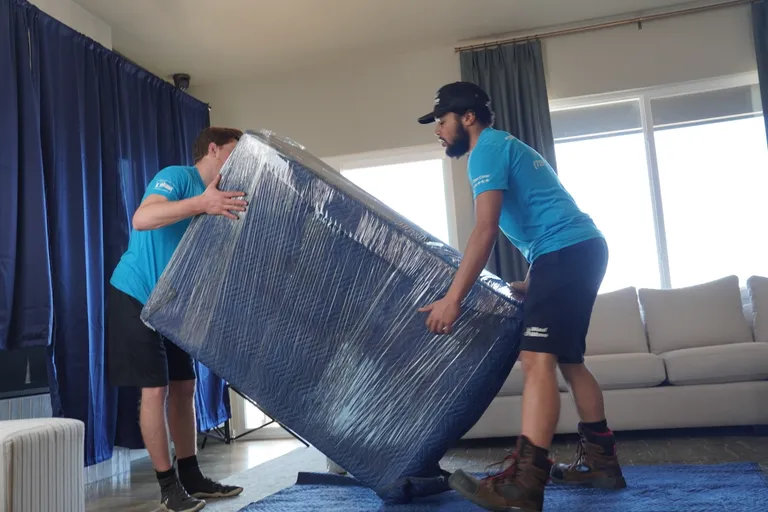
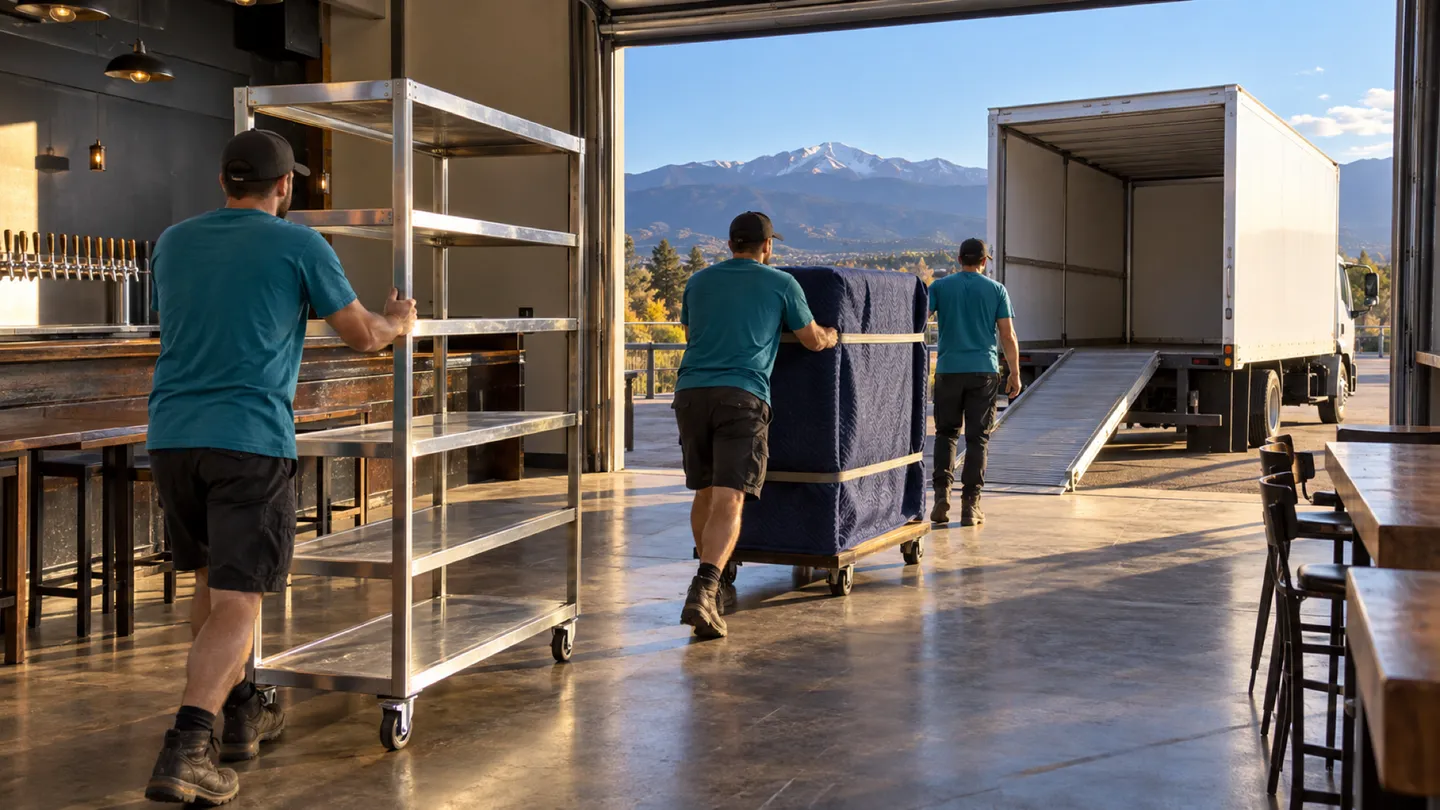
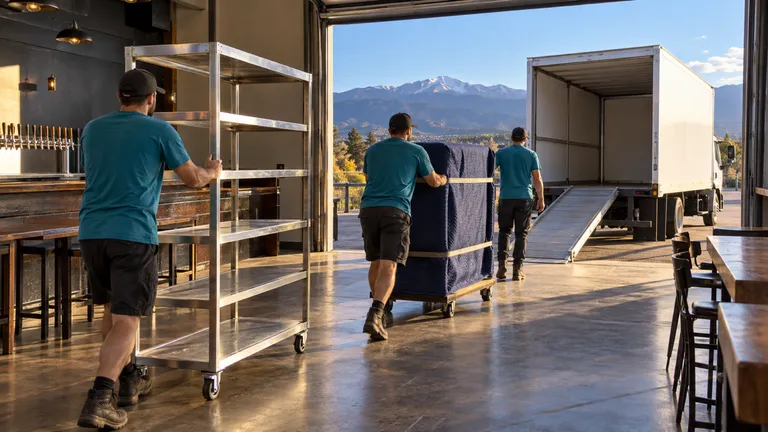
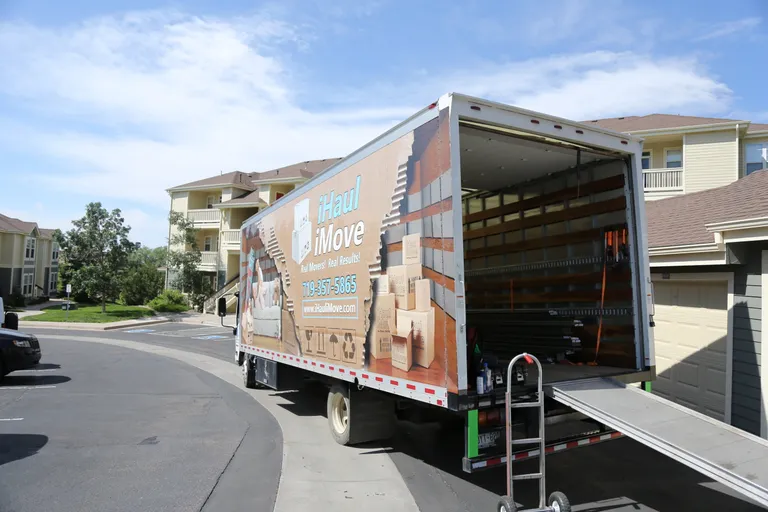
iHaul iMove mover rolling stacked boxes across a floor runneriHaul iMove box truck with its ramp lowered and a hand dolly waitingTwo iHaul iMove movers carrying a stretch-wrapped piece of furniture

Bar & Brewery Moving FAQs

Another question? Call (719) 357-5865.

Can our filled beer kegs ride with the taproom fixtures?

No. Filled kegs are alcohol inventory, and the licensee moves them along with cans, bottles, and spirits. Your brewer marks which kegs are empty and vented, and we group those separately from glassware and furniture, then set them where the brewer wants them in the new cold room.

Who takes apart the brewhouse when the taproom relocates?

Your brewery equipment installer. The vessels, glycol, and draft lines are one connected system, and whoever reinstalls it should be the one who takes it out. Ask the installer to list what is in their scope, and we build the taproom list from everything left over.

Can the old taproom keep pouring while you move the new one?

Often, yes. We can move the office, spare seating, merchandise, and back stock first, then take the bar and the last of the stools after the final pour. The licensee decides when alcohol can legally be poured at each address, so check that before you announce a closing date.

How do we set the new back-bar before opening the taps?

Give us a drawing of each cabinet, cooler, and station behind the bar. We label the empty pieces to it, pack glassware and tools by station, and set them where the manager directs. The draft installer then connects the towers, and the licensee restocks after their count.

Plan your business move

Tell us both addresses, the building rules you know about, and the dates you cannot move. We will send back a written plan and estimate.

Call (719) 357-5865

Open 24 hours a day

Call Now call 719-357-5865