Warehouse & Light Industrial

Records Storage Moving in Colorado Springs

Archive cartons moved in bay and shelf sequence against your own box inventory, with shelving rebuilt so every barcode lands where your system says.

(719) 357-5865
Records Storage moving in Colorado Springs: moving crew at work
  • 18+ Years Experience
  • 1,013+ Reviews 5-Star Rated
  • Family Owned Local Business

Start your free records storage move quote

verified For estimate purposes only credit_card_off No credit card required

Planning a Records Storage Move

A records room is only as good as its index. Whether you run a records center for other businesses or keep your company's own archive, every carton has a location, often a barcode, and someone will eventually ask for one box out of thousands. The move has one job: every carton ends up at a location your system can find.

We plan it in sequence. Your team gives us the row, bay, and shelf layout at both addresses and decides whether locations carry over or change. We label each shelf section with a sequence number before anything comes down, and load cartons shelf by shelf in that order, so the truck unloads in the same sequence onto the new shelving. Your staff keep the box inventory. They check each section out before it leaves and back in when it lands, and they record any changed location. Retention, destruction, and access decisions stay with you and your clients, and any shredding goes through your shred vendor.

Who usually signs off
Records storage operator or facilities lead who approves the box count, shelf plan, and release order
Timing that works
During a planned pause in retrievals and intake, one row or section at a time, with the new shelving installed and labeled before the first carton arrives.

What typically moves

  • Archive cartons by row and bay Loaded shelf by shelf in sequence, with each group's section label on the lead carton.
  • Oversize and legal-size record cartons Kept in their own sequence group so they land on shelves deep enough to hold them.
  • Freestanding steel archive shelving Taken down by section after it is empty, with posts, shelves, and clips bundled by section number.
  • Rolling carts and step ladders Moved with the first section so your staff have them at the new site from the start.
  • Map, plan, and drawing flat files Drawers taped shut, and the cabinet moved upright in its sections.
  • Records room worktables and intake desks Set up first at the new site so your staff can check sections in as they arrive.

Access and scheduling

Records rooms are heavy work in a small footprint. Full record cartons add up to a lot of weight per shelf, so we check the floor path, the elevator's capacity if the room is upstairs, and the dock or door at both sites. Your building contact confirms floor loading at the new site before the shelving goes in, especially on an upper floor.

Your operations lead sets the pause on retrievals and intake, section by section, so clients or departments lose access to as little as possible. Tell requesters which ranges are in transit. The new shelving has to be installed, labeled, and checked before cartons arrive, whether your installer sets it or we rebuild freestanding units. If the landlord needs our insurance certificate before dock time, send us the names. Evening or weekend days can suit a records move when your staff are free to check sections in.
Protection and handling

The biggest risk is not damage but a carton on the wrong shelf. So each section's cartons stay together from shelf to truck to shelf, strapped as a group and separated from the next section with a visible divider. Cartons are never opened, sorted, or repacked by our crew. If a box has a failing lid, a crushed corner, or water damage, we set it aside for your staff, who decide whether to rebox it and how to record the change.

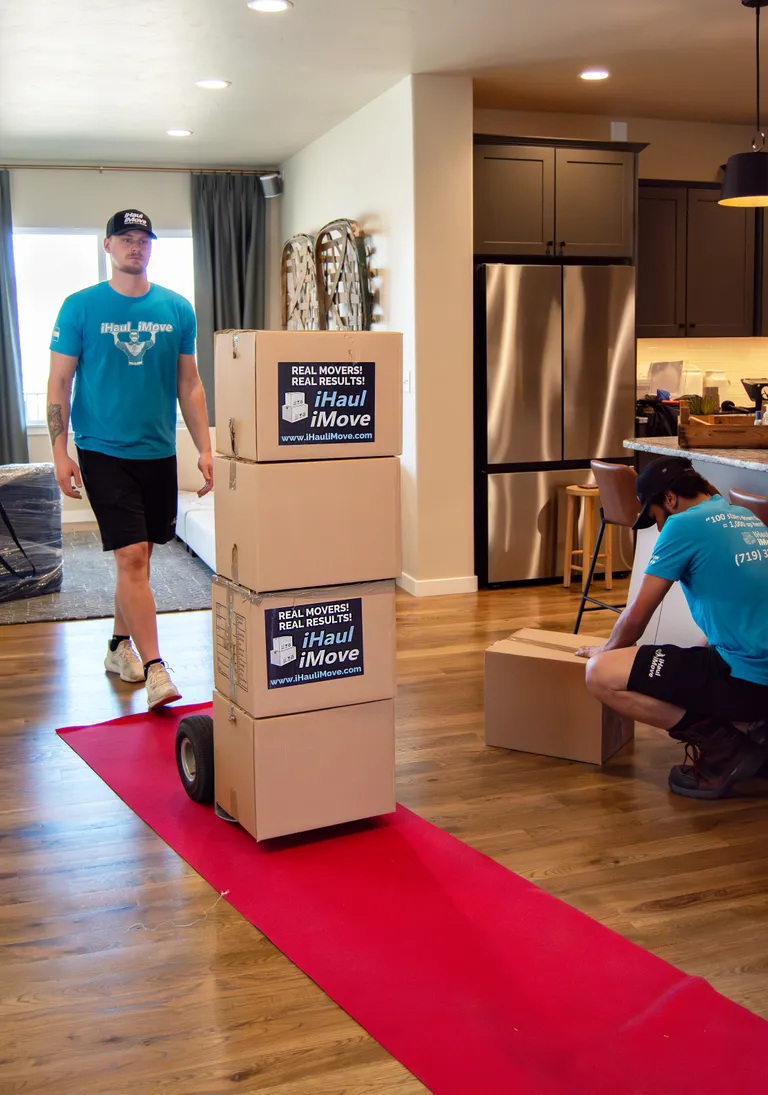
Cartons are lifted, not dragged, and carried on four-wheel dollies or hand trucks in stacks low enough to stay stable. At the new site, sections go onto their shelves in order, with barcodes facing out if your system needs them visible. Your team scans or counts each section before reopening it for retrievals.

Who does what

Some of this job belongs to other trades. The written plan names each one.

Box inventory, barcodes, and the location index
Your staff count and scan each section out and in, and update locations in your records system.
Anchored, high-bay, or track-mounted mobile shelving
The shelving installer dismantles it, then sets and anchors it at the new site.
Retention review, destruction, and shredding
You and your clients decide what is kept, and your shred vendor collects anything marked for destruction.

Not part of our work

  • Opening, sorting, indexing, or repacking record cartons.
  • Deciding or carrying out records destruction.
  • Installing anchored or mobile shelving systems.

Around Colorado Springs and El Paso County

In Colorado Springs, records rooms and archive spaces sit in east-side flex space by the airport on Marksheffel Road, along Powers, in older buildings near North Nevada Avenue, and in office basements downtown, where the carry to the truck is the slow part. Moving an archive up the I-25 corridor to the Denver metro means fewer sections per day, so plan the retrieval pause to match.

The crew that shows up

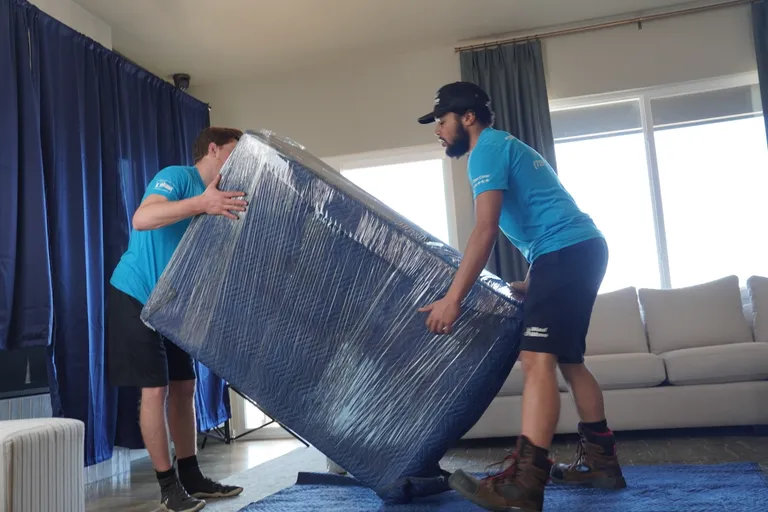
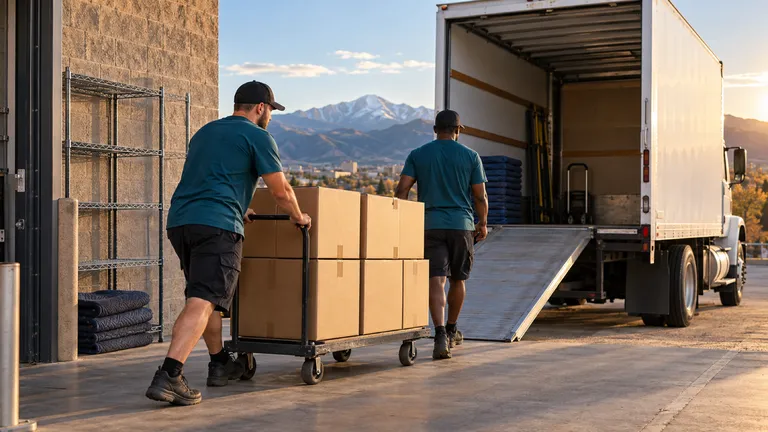
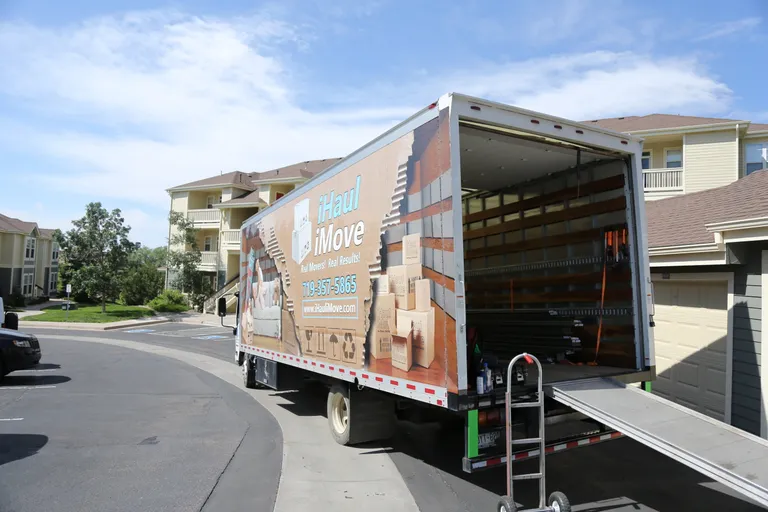
iHaul iMove mover rolling stacked boxes across a floor runneriHaul iMove box truck with its ramp lowered and a hand dolly waitingTwo iHaul iMove movers carrying a stretch-wrapped piece of furniture

Records Storage Moving FAQs

Another question? Call (719) 357-5865.

How should our records storage team count boxes before moving day?

Count or scan by section, not the whole room at once. Each section's count goes on a sheet with its sequence number, and your staff check it again when the section lands. That keeps a discrepancy inside one section, where it is easy to find, instead of across the building.

Can sequence labels work without customer names on archive cartons?

Yes. The sequence label only needs the section number and position, such as row, bay, and shelf. Your system ties that location to the account. We never need to know whose records are in a carton, and nothing about the contents goes on our paperwork.

What happens when the new shelving has fewer usable bays than the box count requires?

Find out before the move. Give us both layouts and we compare shelf capacity by section during planning. If the new space is short, your team decides whether to add shelving, move some cartons to destruction, or send overflow to another site, before any section is loaded.

Who moves shelving that is bolted to the records room?

Your shelving installer, because anchored and mobile shelving has to be taken down and installed to the manufacturer's and building's requirements. Freestanding steel shelving we can take down, bundle by section, and rebuild ourselves once the new room is ready.

Plan your business move

Tell us both addresses, the building rules you know about, and the dates you cannot move. We will send back a written plan and estimate.

Call (719) 357-5865

Open 24 hours a day

Call Now call 719-357-5865