Warehouse & Light Industrial

Print and Sign Shop Moving in Colorado Springs

Media rolls, rigid substrates, finishing tables, and finished orders moved, while your service tech prepares the wide-format printers and cutters.

(719) 357-5865
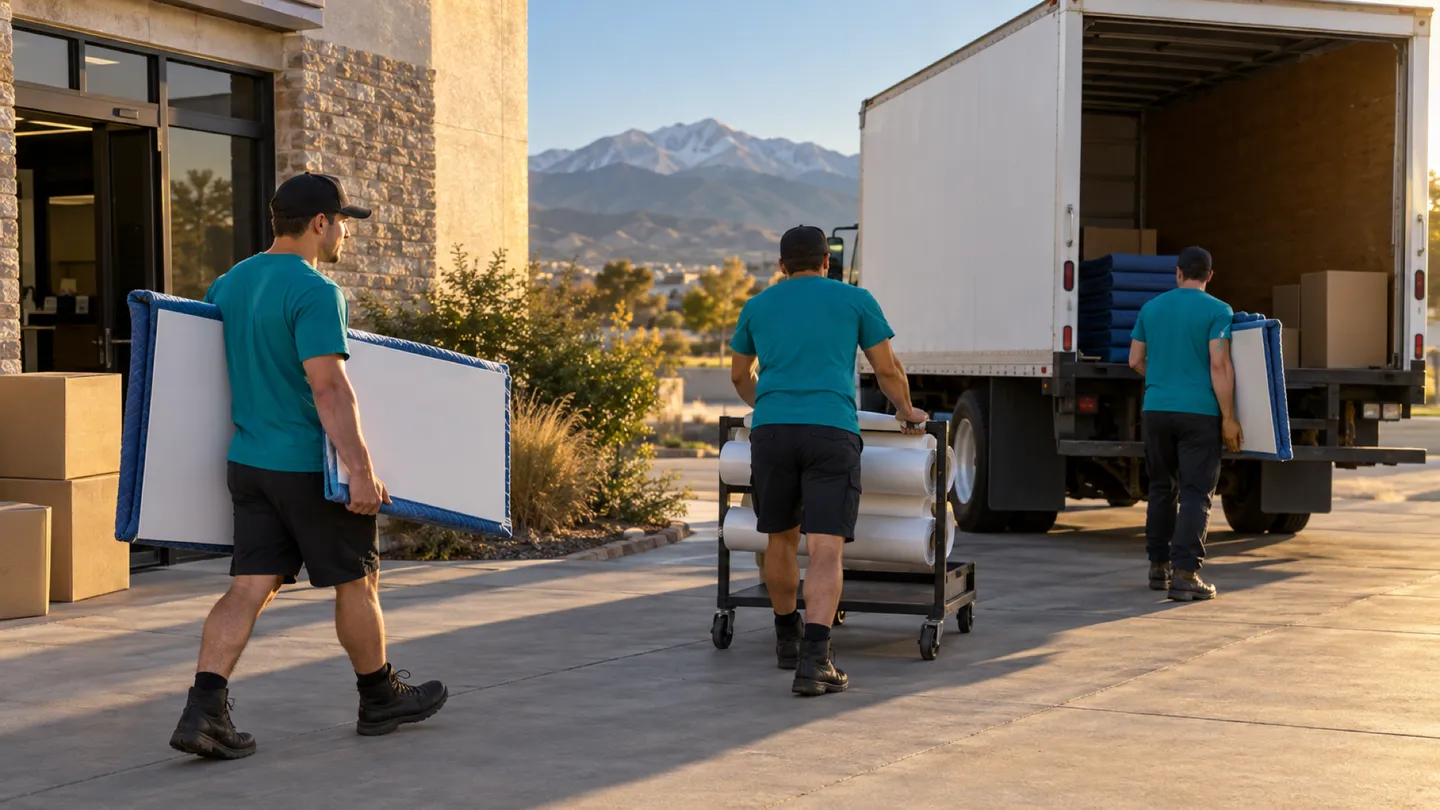
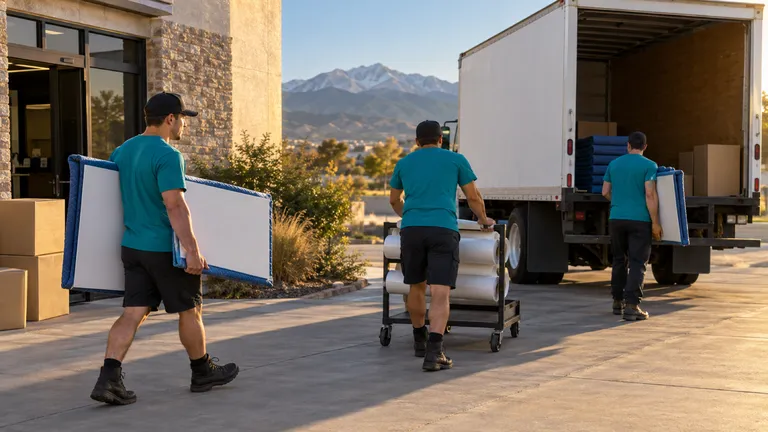
Print and Sign Shop moving in Colorado Springs: moving crew at work
  • 18+ Years Experience
  • 1,013+ Reviews 5-Star Rated
  • Family Owned Local Business

Start your free print and sign shop move quote

verified For estimate purposes only credit_card_off No credit card required

Planning a Print and Sign Shop Move

A print and sign shop has one kind of equipment that nobody should move without its service technician: the wide-format printers, and often the flatbed and the router too. Before a move, the tech caps or cleans the printheads, deals with the ink lines and waste, locks the carriage, and signs off that the machine can travel. At the new shop, the same tech sets it up, runs nozzle checks, and brings back the color profiles. Our work fits around that schedule.

Everything else is ours. Vinyl, banner, and laminate rolls travel the way they are meant to be stored, on end or hung by the core, never stacked flat. Rigid sheets such as aluminum composite, acrylic, foam board, and corrugated plastic move flat, film on, with the edges protected. Finishing tables, roll carts, and sheet racks follow, and finished signs waiting for pickup get their own marked group so they reach the new pickup counter intact.

Who usually signs off
Shop owner or production manager who signs off on machine service, substrate counts, and the order queue
Timing that works
After the last print run is finished and picked up, in the gap your printer tech schedules for decommissioning and setup, away from election season and spring event rushes.

What typically moves

  • Vinyl, banner, and laminate rolls Stood on end or hung by the core in the truck, grouped by material so the new rack fills in order.
  • Rigid sheet substrates Moved flat with protective film on, edges guarded, and stacks kept to a height that will not bow the bottom sheets.
  • Roll carts and sheet racks Emptied before moving, then rebuilt at the new shop so media goes straight back in place.
  • Cutting, weeding, and finishing tables Large self-healing mats and tabletops travel flat and padded, legs removed where designed to come off.
  • Finished signs and pickup orders Wrapped as a separate group, labeled by customer order, and set at the new pickup area first.
  • Sample boards and showroom displays Padded face-to-face with a layer between, and carried upright.
  • Front counter and design desks Design workstations are unplugged, labeled, and reconnected at their new desks; your IT contact handles RIP software licensing.

Access and scheduling

Your printer tech's calendar comes first. We ask for the date the tech can decommission each printer and cutter, and the date they can return to set up. Our crew moves the media, tables, and office between those two visits, and a machine moves only after its tech signs off. Some shops have the equipment dealer's own transport take the printers; if so, we coordinate so both trucks are not at the door at once.

Media and substrates are long and wide. We measure the old and new doors against rolls of the widest width you stock and your biggest full sheets, and check turns in the back room. Shops in flex buildings usually have a roll-up door, which makes this easier. Finished orders should be picked up or moved first. If the landlord asks for our insurance certificate, send the names early. Weekend moves are available if you want to avoid missing weekday orders.
Protection and handling

Media is easy to ruin in a move. A roll stacked flat under weight develops a flat spot that shows in every print, and a sheet of acrylic or composite scuffs or kinks at the corners. So rolls ride on end or hung by the core, strapped in place, and rigid sheets travel flat on a padded base with nothing heavy set on them. Partial rolls stay in their bags, marked with the material.

Finished signs and banners are wrapped face-in, labeled by order, and kept separate from raw stock. Inks and service fluids stay with your technician or your team; we do not pack open ink, cleaning solutions, or waste. At the new shop, racks go up first, media goes straight onto them, and tables are set to your layout so production can restart as soon as the tech has the printers back online.

Who does what

Some of this job belongs to other trades. The written plan names each one.

Wide-format printers, flatbeds, and vinyl cutters
Your service tech caps the heads, handles inks and waste, secures the machine, then reinstalls and tests it once the new shop is ready.
CNC routers, laminators, and heavy finishing equipment
The equipment dealer or a rigging company moves and levels them.
Inks, solvents, and service fluids
Your technician or your team handles them under the product's own storage and transport directions.

Not part of our work

  • Moving any printer, flatbed, cutter, or router before its technician signs off.
  • Packing or transporting inks, solvents, or waste fluids.
  • Calibrating color, reloading profiles, or setting up RIP software.

Around Colorado Springs and El Paso County

Colorado Springs print and sign shops are mostly in flex spaces along the Powers corridor, near North Nevada Avenue, and off Garden of the Gods Road, with a roll-up door and a small front counter. Colorado's dry climate and cold winters can affect some media and inks, so keep your tech's advice on acclimating stock at the new shop before printing.

The crew that shows up

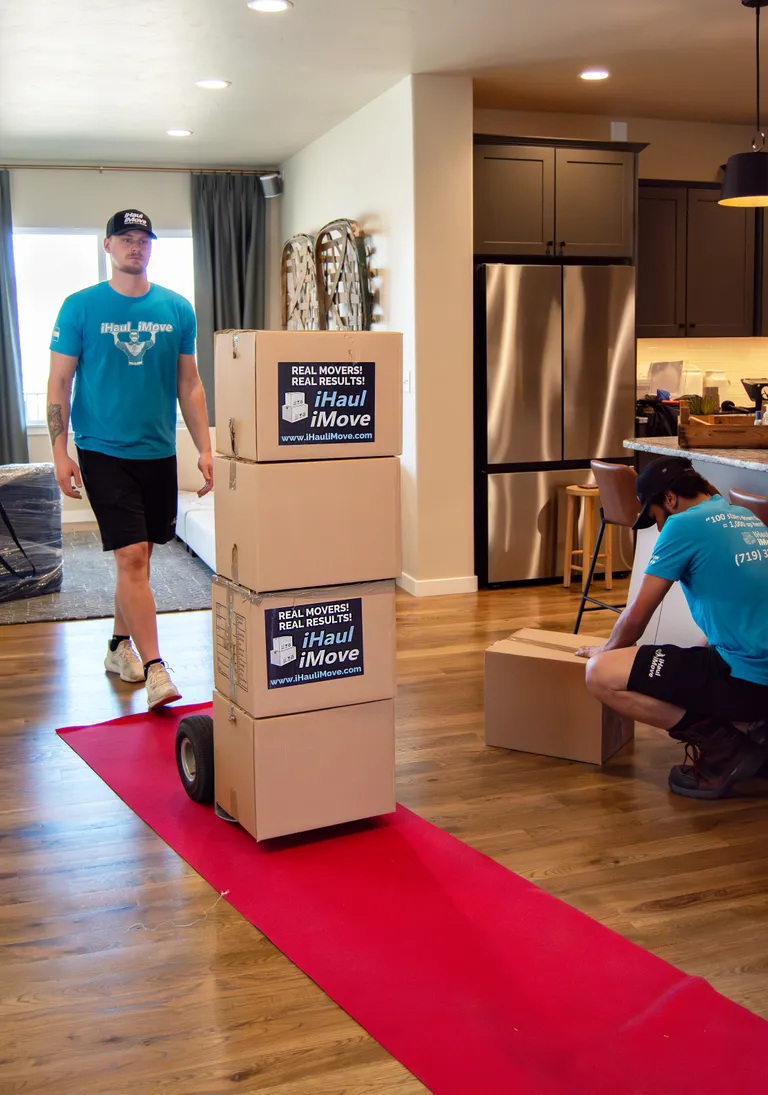
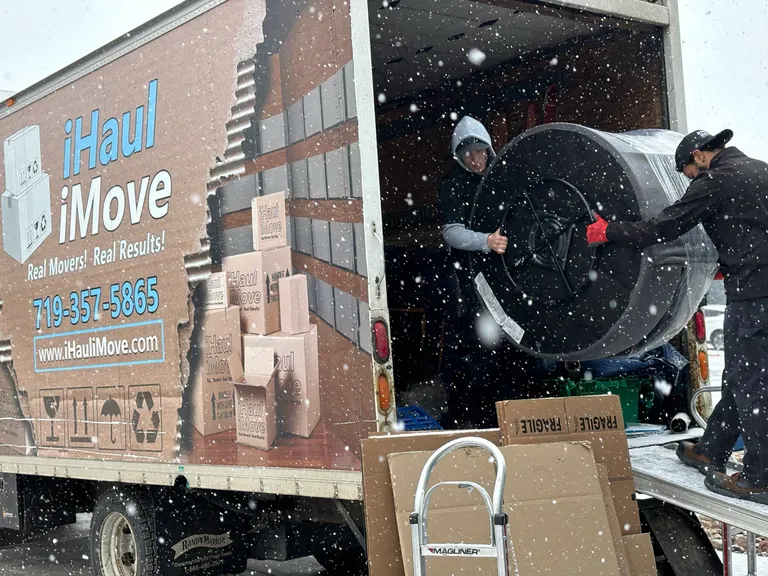
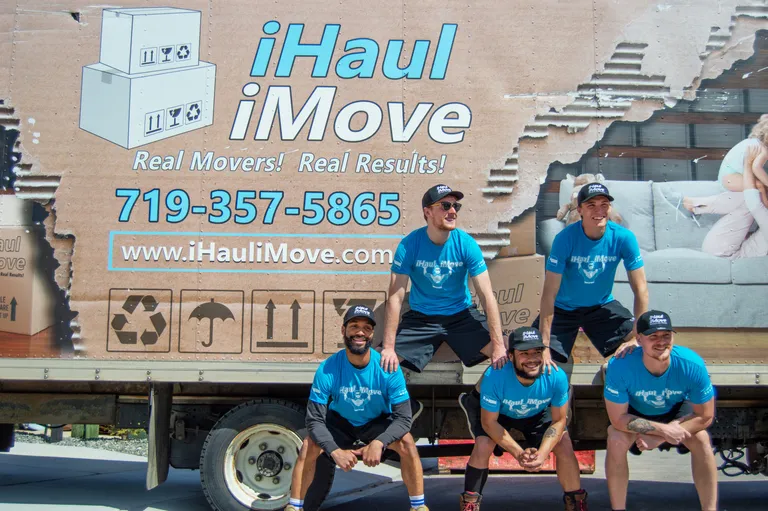
iHaul iMove crew loading a padded item into the truck as snow fallsiHaul iMove crew in teal shirts gathered beside the company truckiHaul iMove mover rolling stacked boxes across a floor runner

Print and Sign Shop Moving FAQs

Another question? Call (719) 357-5865.

Is your crew allowed to touch our latex or solvent printer?

Only after your service technician or the equipment dealer has prepared it. They cap or clean the heads, handle the ink system and waste, lock the carriage, and approve the machine for transport. At the new shop they set it up and test it. We schedule our crew between their two visits.

How should we separate partly used media rolls from unopened stock?

Keep partial rolls in their bags, label the material and width, and put them in their own group. Unopened cases travel together by material. We stand both groups on end or hang them by the core, and put them back on the new rack by material so your production team can find the right roll.

Can finished signs for customer pickup move with substrate sheets?

They move on the same truck but as a separate, labeled group. Finished signs are wrapped face-in with their order label outside and loaded apart from raw sheets, so nobody mistakes a finished panel for stock. They come off first and go to the new pickup area.

What should we map before moving cutting and finishing tables?

Mark each table's new spot on your floor plan, along with the printers, racks, and power drops, so tables sit near the machines they serve. Measure the widest tabletop against the doors at both shops. If a table is built in, your contractor takes it apart and rebuilds it.

Plan your business move

Tell us both addresses, the building rules you know about, and the dates you cannot move. We will send back a written plan and estimate.

Call (719) 357-5865

Open 24 hours a day

Call Now call 719-357-5865