Education, Civic & Community

Library Moving in Colorado Springs

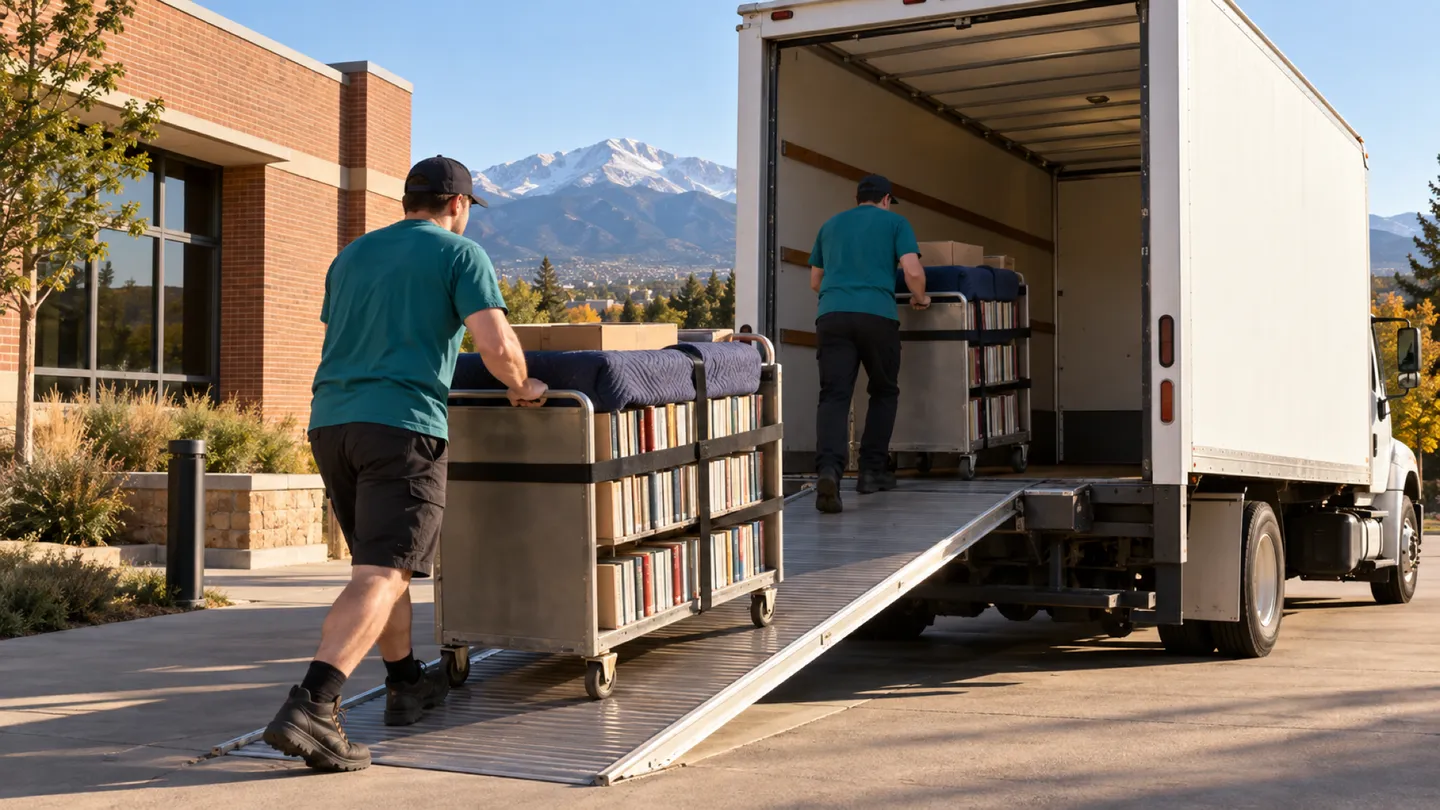
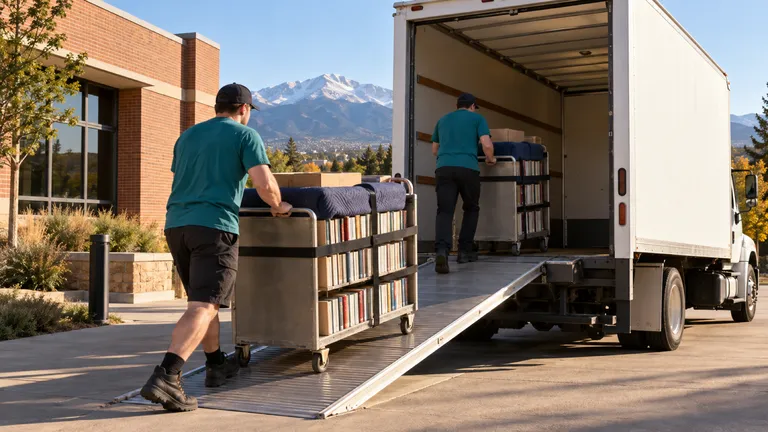
Collections travel in call-number order on book trucks, shelving moves empty behind them, and your staff decide what gets weeded before a single range leaves.

(719) 357-5865
Library moving in Colorado Springs: moving crew at work
  • 18+ Years Experience
  • 1,013+ Reviews 5-Star Rated
  • Family Owned Local Business

Start your free library move quote

verified For estimate purposes only credit_card_off No credit card required

Planning a Library Move

Books are the easy part to lift and the hard part to keep straight. A library move succeeds when the first volume of a range is still the first volume on the new shelf, whether your collection is shelved by Dewey in a public branch or by Library of Congress class in a campus library. Your director or branch manager sets the scope, and a collection lead owns the shelf map.

Two decisions come before we pack anything. The first is weeding: a move is the one time every item passes through someone's hands, and many libraries withdraw material first so they are not paying to move it. The second is the layout: staff measure the new stacks and decide where each range starts, leaving growth space at the end of each shelf. From that map we move the collection in short runs on book trucks or in numbered cartons, and the empty shelving follows. Circulation systems, self-checkout kiosks, and security gates belong to the library's technology staff and their vendors. See education and civic moving for other public and campus buildings.

Who usually signs off
Library director or branch manager, with the collection lead approving shelf order and the building contact approving access
Timing that works
Public branches announce a closure and plan around book-drop returns and holds pickup; academic libraries move between terms, away from finals and the start of classes.

What typically moves

  • Circulating collection ranges Moved in short runs in call-number order, each run tagged with its first and last call number and its destination range.
  • Book trucks and return carts Loaded trucks are shrink-wrapped or strapped so nothing slides; empties cycle back to the old building for the next run.
  • Freestanding steel stack shelving Emptied, broken down into uprights, shelves, and end panels, and bundled by range so the frame goes back up where its books will land.
  • Periodical and newspaper display racks Staff pull current issues and decide what back runs travel; the racks move empty with their slot hardware bagged.
  • Children's picture-book bins and low shelving Kept on their own run so the children's area can reopen before the adult stacks are finished.
  • Service desk, holds shelf, and staff workroom Staff clear held items and patron materials first; desk modules and workroom tables are padded and placed from the floor plan.

Access and scheduling

A public branch usually closes to patrons for the move, so the plan starts with the closure announcement: when the book drop stops taking returns, where holds can be picked up meanwhile, and the first day the new branch opens. Academic libraries move between terms and keep a study space open if they can. Either way, staff need a few days before the first truck to tag ranges.

Books are heavy, so we plan the carry around elevators and floor loading at both ends. Ask the building contact which elevator and loading space the truck may use, and door widths for loaded book trucks. The new stacks should be standing, braced, and inspected before the first run arrives, because collection moves stall fast when books wait in a hallway. If the building permits, runs can continue into evenings or a weekend on request.
Protection and handling

Each run stays together from shelf to truck to shelf. Cartons are sized so books stand upright or lie flat, never fanned or wedged, and oversize folios ride flat on their own. A receiving contact checks each run's call-number tag against the range label before it is shelved, which catches a misplaced truck while it is still easy to fix.

Stack shelving moves empty. We mark each upright and shelf by range, bag clips and bracing hardware with it, and pad exposed end panels. Special collections and archives are prepared by the staff who manage them, and the crew carries their containers only as directed. At the service desk and staff workroom, staff PCs and receipt printers are unplugged, carried, and hooked back up by our crew; your technology staff bring the catalog and circulation system back online.

Who does what

Some of this job belongs to other trades. The written plan names each one.

Anchored or top-braced stack shelving
The shelving installer releases, re-erects, and braces it to the building. Our crew moves the sections they release.
Self-checkout kiosks, security gates, and sorting equipment
The library's technology staff and those systems' vendors decommission, move, and recommission them.
Catalog locations and weeding
Library staff decide what is withdrawn and update item locations. We follow their shelf map and range labels.

Not part of our work

  • Selecting materials for withdrawal or changing catalog records.
  • Packing rare, archival, or special-collection material unless library staff direct the method.

Around Colorado Springs and El Paso County

Public library branches in El Paso County range from downtown Colorado Springs buildings with tight curb loading to newer north- and east-side branches off Briargate Parkway and Powers Boulevard with parking lots and long interior carries. Campus libraries at UCCS, Colorado College, and PPSC set their own dock rules and term calendars. A branch in Monument or Castle Rock sits off I-25, so winter moves there leave room for weather on Monument Hill.

The crew that shows up

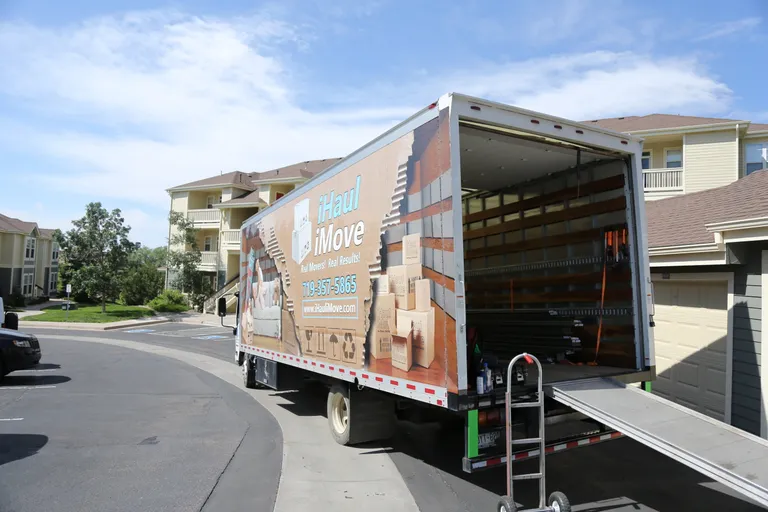
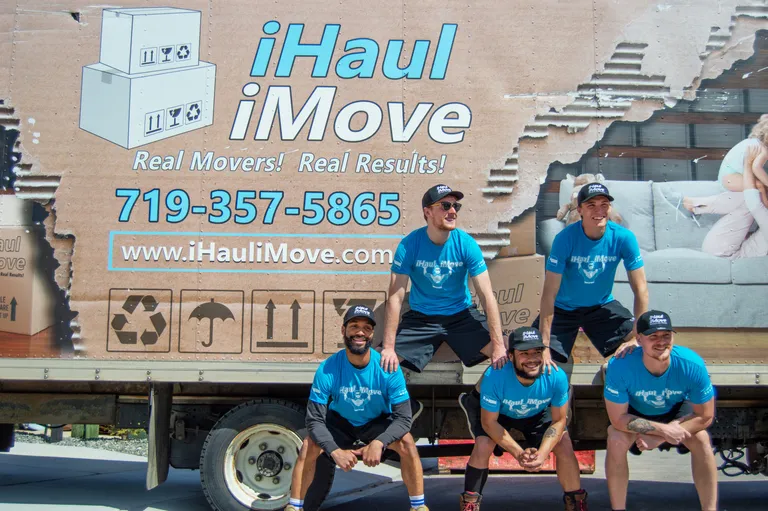
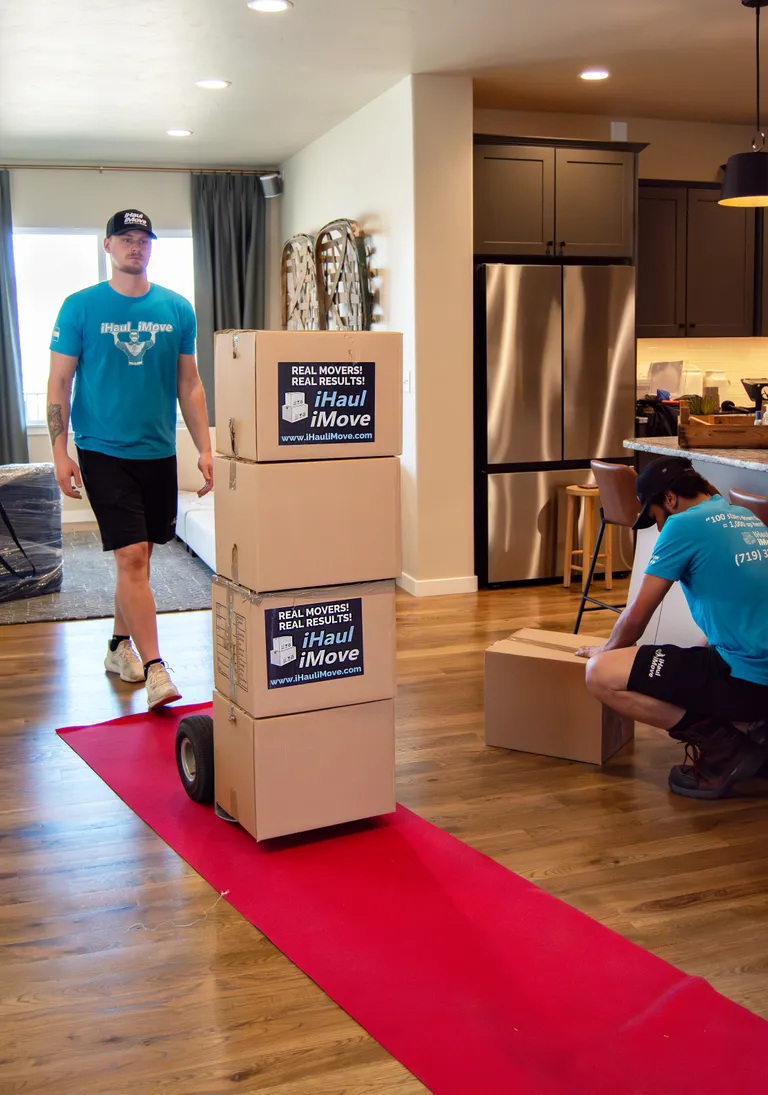
iHaul iMove crew in teal shirts gathered beside the company truckiHaul iMove mover rolling stacked boxes across a floor runneriHaul iMove box truck with its ramp lowered and a hand dolly waiting

Library Moving FAQs

Another question? Call (719) 357-5865.

How do you keep call-number ranges in order between shelves?

Your collection lead defines where each range starts and ends and assigns its new location. We move one short run at a time, tagged with its first and last call number, and a receiving contact checks each tag against the range label before shelving. A misplaced truck gets caught at the door rather than discovered by a patron months later.

Should we weed the collection before the move or after?

Before, if your staff have time. Every withdrawn item is one less to pack, carry, and reshelve, and the new layout can be measured against the collection you are actually keeping. We can deliver empty book trucks or cartons early for weeded material, and move withdrawn items to a sale room or donation pickup point you name.

Can we move books on our own book trucks?

Often, yes. We check the trucks' casters, the door widths, and the elevator route, then strap or wrap loaded trucks so nothing shifts in transit. If a truck is too tall or unstable to travel loaded, that run goes into numbered cartons instead and keeps its place in sequence.

Who handles rare books and special collections during the move?

The staff who manage them. They decide which materials need special packing, separate handling, or staff transport, and they prepare those items before our crew reaches the range. We carry the prepared containers where directed and keep them off the general collection runs so nothing lands on an open public shelf.

Plan your business move

Tell us both addresses, the building rules you know about, and the dates you cannot move. We will send back a written plan and estimate.

Call (719) 357-5865

Open 24 hours a day

Call Now call 719-357-5865